US Appeals Court Blocks Trump’s US$100,000 H-1B Visa Fee in Setback for Immigration Agenda
Liwalmor M-Moadan
Journalist
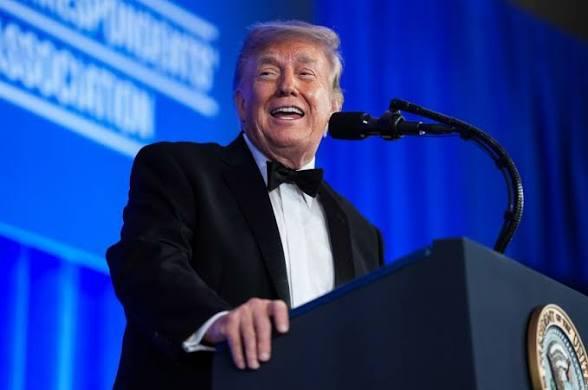
A US federal appeals court has dealt President Donald Trump another legal setback, refusing to reinstate his administration’s controversial US$100,000 fee on new H-1B work visas while the policy faces a broader court challenge.
The ruling by the 1st US Circuit Court of Appeals leaves intact a lower court’s decision that the unprecedented charge likely constitutes a tax, which under the US Constitution can only be imposed with congressional approval rather than by presidential action.
The fee, unveiled in September 2025 as part of Trump’s wider immigration crackdown, was intended to make it significantly more expensive for US companies to recruit highly skilled foreign workers through the H-1B programme. Employers previously paid between US$2,000 and US$5,000 in visa-related processing fees.
US District Judge Leo Sorokin had ruled in June that the substance of the payment—not its label—made it a tax, placing it beyond the executive branch’s authority. The appeals court agreed that the administration had failed to demonstrate a strong likelihood of overturning that conclusion while litigation continues.
The decision is expected to provide relief for multinational companies, particularly in the technology sector, which rely heavily on H-1B visas to recruit specialised talent from overseas. Immigration lawyers say the fee had already discouraged employers from sponsoring new applicants, with court filings showing that very few companies paid the new charge after it took effect.
The H-1B programme annually allocates 65,000 visas, alongside an additional 20,000 reserved for applicants holding advanced degrees from US institutions.
The legal challenge was brought by a coalition of 20 Democratic state attorneys general, who argued that the administration exceeded its constitutional authority by imposing what they described as an unlawful tax.
The White House had not issued an official response at the time of publication.
The ruling preserves the existing H-1B fee structure for now, easing uncertainty for employers and skilled foreign workers while reinforcing judicial limits on executive authority over tax-related immigration policies.
Written by
Liwalmor M-Moadan
M-Moadan is dedicated journalist committed to delivering accurate, timely, and impactful news. Passionate about uncovering the facts, telling meaningful stories, and keeping the public informed with integrity and professionalism.
Related Stories
HIGHCO POSTS 22.5% Q3 GROWTH AS FRANCE ANCHORS PERFORMANCE
French data marketing company HighCo has reported a 22.5 per cent increase in gross profit for the third quarter of 2026, supported largely by its recent...

FRANCE COUNTS THE COST OF NATIONWIDE PROTESTS AFTER HISTORIC TOWN HALL FIRE
PARIS, France — October 19, 2026 French authorities are assessing the damage caused by nationwide demonstrations that turned destructive on Saturday, October...

PUTIN MEETS TRUMP ENVOYS: IS UKRAINE FINALLY MOVING CLOSER TO PEACE
A new diplomatic effort to end the Russia-Ukraine war has placed peace negotiations back in the international spotlight after months of stalled progress. On...
Comments (0)
No comments yet. Be the first to share your thoughts.