ACORDS, VAST-Ghana Call for Action Against Commercial Practices Threatening Public Health
Sarah
Senior Reporter
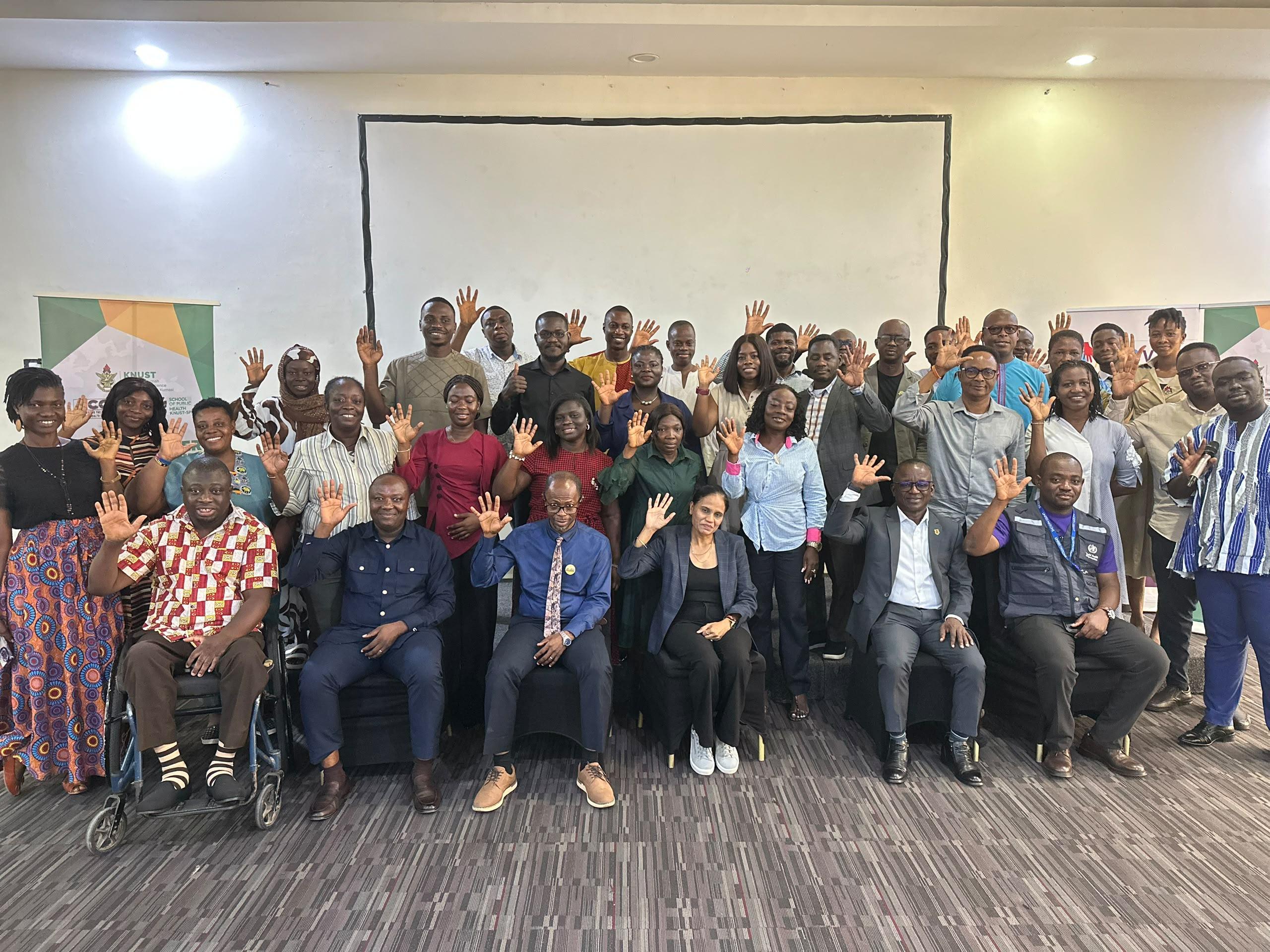
Researchers, public health advocates and government representatives have called for stronger action against commercial practices contributing to poor health in Ghana, as a community-driven research initiative seeks to gather evidence to influence public policy and strengthen health regulations.
The call was made on Wednesday, November 11, 2026 Alisha hotel North Ridge, at a stakeholder workshop organised under the Addressing the Commercial Determinants of Health in Sub-Saharan Africa (ACORDS) project. The engagement brought together researchers from the Kwame Nkrumah University of Science and Technology (KNUST), civil society organisations, the World Health Organization (WHO) and the Ghana Revenue Authority (GRA) to examine how commercial activities influence health outcomes and shape the choices available to communities.
In his welcome address, Dean of the KNUST School of Public Health, Professor Peter Agyei-Baffour, highlighted the importance of addressing the commercial influences shaping public health. The first presentations were delivered by Professor Arti Singh and Dr Daniel Boateng of the School of Public Health, who examined how industries associated with tobacco, alcohol, ultra-processed foods, sugar-sweetened beverages and fossil fuels influence population health, health inequalities and government policies. They explained that the influence of commercial actors extends beyond the products they sell to include advertising, political lobbying, sponsorships, misleading health claims and attempts to influence scientific research and government regulations. Such practices, they noted, can weaken public health interventions and make it difficult for governments to introduce and enforce policies that protect consumers.
Executive Director of Vision for Accelerated Sustainable Development Ghana (VAST-Ghana), Mr Labram Musah, drew attention to the growing burden of non-communicable diseases (NCDs) and the unequal impact of unhealthy commercial environments on different sections of society. He highlighted obesity and the need for stronger regulation, explaining that people's ability to make healthy choices is influenced by the environments in which they live.
Mr Musah discussed the physical, economic and socio-cultural dimensions of food environments, pointing to how the availability, affordability, accessibility and social acceptance of food products influence consumption patterns. He particularly highlighted the difficulties facing the urban poor, who may have limited access to healthier food options while being increasingly exposed to affordable and heavily marketed products with poor nutritional value.
The discussion also referenced the global burden of NCDs, with World Health Organization estimates indicating that 86 per cent of premature deaths from these diseases occur in low- and middle-income countries, reinforcing the need for stronger preventive measures.
Mr Musah further raised concerns about alcohol sponsorship in Ghanaian sports, referring to a proposed Guinness Ghana sponsorship arrangement reportedly valued at more than US$5 million annually. The deal became a subject of debate following regulatory restrictions on alcohol sponsorship, highlighting the tension between commercial investment and public health protection.
Representing the WHO Ghana Country Office, Dr Nortey emphasised that improving health outcomes requires interventions beyond hospitals and healthcare facilities. He observed that Ghana had already generated considerable public health evidence through research, including the National STEPS Survey, but stressed that stronger commitment was needed to translate existing findings into practical policies.
Dr. Nortey also raised concerns about industry opposition to public health regulations and the promotion of voluntary standards where enforceable measures may be necessary. WHO reaffirmed its commitment to working with government institutions, researchers and civil society organisations to strengthen evidence generation, improve regulatory capacity and protect policymaking from undue commercial influence.
Meanwhile, Mr Kombat, Assistant Commissioner of the Strategy and Revenue Department of the Ghana Revenue Authority, encouraged the researchers to share their findings with the authority, particularly recommendations relating to health taxes. He said GRA would welcome evidence that could inform improvements to existing excise tax policies and legislation, noting the importance of research in strengthening fiscal measures that support public health.
A major outcome of the workshop was the introduction of a crowdsourcing exercise that will allow civil society organisations and community participants to document commercial practices affecting health in their respective communities. Participants will be encouraged to submit photographs, written observations and digital evidence of activities such as unhealthy food advertising, alcohol promotions, misleading product claims, sponsorships and environmental pollution.
The research team will review and verify the submissions before analysing them to identify patterns, regulatory gaps and opportunities for policy intervention. The exercise is expected to run for approximately 10 to 14 weeks, with participants encouraged to collect evidence from different communities and geographical locations across Ghana.
The organisers also outlined plans to support participants with data and transportation expenses and introduce a recognition scheme for outstanding contributions. However, they emphasised that the exercise should be driven primarily by the importance of generating credible evidence rather than financial incentives.
The ACORDS project is a multi-country research initiative involving partners in Ghana, the United Kingdom, South Africa and Kenya. Its broader objectives include examining commercial influences on health, assessing the potential impact of policy interventions and developing safeguards against conflicts of interest in public policymaking.
The workshop ended with a call for stronger collaboration among researchers, government institutions and civil society organisations to ensure that commercial interests do not undermine efforts to protect public health. For Ghana, the challenge now lies in turning community-level evidence into stronger regulations, effective enforcement and healthier environments that protect present and future generations.
Written by
Sarah
Serah is a committed reporter who is keen on accurate delivering, timely, and impactful news. Passionate about uncovering the facts, telling meaningful stories, and keeping the public informed with integrity and professionalism.
Related Stories

Larabanga Mosque to be removed from new cedi notes
Christian group calls for Larabanga Mosque to be removed from new cedi notes The Alliance of Christian Apologists, Ghana, has called on the government and the...

President Mahama Tasks New Labour Commission to Restore Trust in Workplace Justice
President John Dramani Mahama has called on the newly inaugurated National Labour Commission (NLC) to make fairness and timely decisions central to its work,...

Ghana Introduces Heritage Cedi Notes Featuring National Icons, Landmarks and Adinkra Symbols
Ghana's currency is set for a new identity following the introduction of the Ghana Cedi Heritage Series, a redesigned collection of banknotes that brings the...

Comments (0)
No comments yet. Be the first to share your thoughts.