
The Chamber of Petroleum Consumers (COPEC) has urged the government to cut the GH¢1 Energy Sector Shortfall and Recovery Levy on petroleum products to 50 pesewas, arguing that the move would provide immediate relief to consumers while preserving funding for Ghana’s struggling power sector.
The recommendation comes ahead of the government’s 2026 Mid-Year Budget Review, as policymakers grapple with balancing fiscal consolidation and the rising cost of living. COPEC believes a partial reduction in the levy would lower pump prices, reduce transport costs and ease inflationary pressures without eliminating revenue needed to address legacy debts in the electricity sector.
COPEC Executive Secretary Duncan Amoah said the levy, introduced as an emergency measure to support the energy sector, should not become a permanent tax burden.
“We had a crisis situation. We have been able to stabilize that. Maybe we can reduce it to 50 pesewas at some point,” Amoah said.
The consumer advocacy group also argues that lower fuel prices would benefit the government’s own finances by reducing transportation costs and limiting cost escalations on public contracts. According to COPEC, every increase in fuel prices raises the cost of delivering government services and infrastructure projects, placing additional strain on public expenditure.
The appeal comes as renewed geopolitical tensions continue to push global crude oil prices higher, increasing pressure on domestic fuel prices despite the relative stability of the Ghana cedi. Oil Marketing Companies have adjusted pump prices upward in recent pricing windows, while revised pricing benchmarks from the National Petroleum Authority have reinforced concerns over further increases.
Beyond fuel taxation, COPEC commended the recent stability in electricity supply but urged the Ministry of Finance to sustain timely payments to Independent Power Producers (IPPs), describing consistent financial support as critical to maintaining confidence in Ghana’s power sector and avoiding future supply disruptions.
The proposal adds to growing calls from businesses and consumer groups for targeted tax relief measures in the Mid-Year Budget as government seeks to balance revenue mobilisation with protecting households and businesses from persistent cost pressures.
Related Stories

EPA Targets Styrofoam as Ghana Balances Environmental Costs with Economic Transition
Ghana’s push to phase out Styrofoam food containers is emerging as more than an environmental campaign, with policymakers seeking to accelerate the country’s...
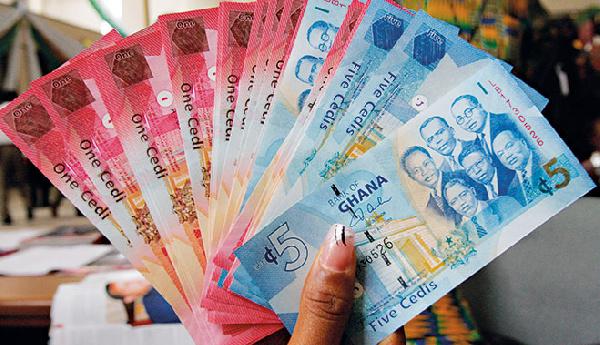
Cedi Surrenders Part of 2025 Rally as BoG Data Show 9.5% Slide Against Dollar
Ghana’s cedi has surrendered part of its remarkable 2025 recovery, depreciating 9.5% against the US dollar in the first seven months of 2026 despite a robust...

GIADEC rejects claims of Ibrahim Mahama takeover as VALCO investor search continues
The Ghana Integrated Aluminium Development Corporation (GIADEC) has firmly denied reports that the Volta Aluminium Company (VALCO) is being sold to businessman...
Comments (0)
No comments yet. Be the first to share your thoughts.