Ebola Outbreak in DR Congo Approaches 1,000 Deaths as Health Authorities Race to Contain Virus

Sayibu Hamdaway
Writer/Financial Analyst
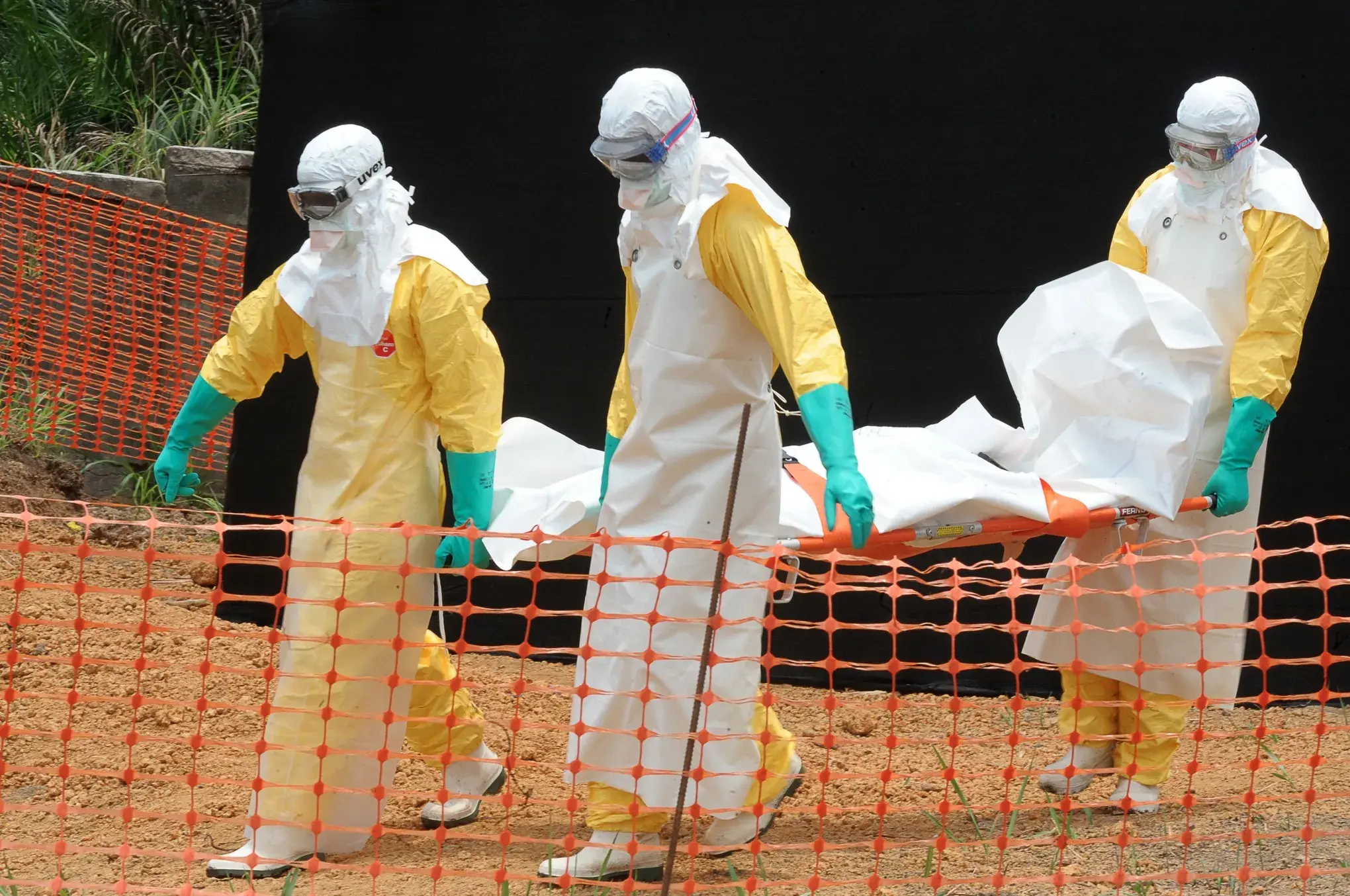
The Democratic Republic of Congo (DRC) is battling a severe Ebola outbreak that continues to worsen, with the number of deaths approaching 1,000. Health officials are working urgently to contain the virus, but ongoing conflict, misinformation, and limited healthcare access are making the response increasingly difficult.
Latest figures released by the country's health authorities show that more than 2,400 people have been infected during the current outbreak, while the death toll has climbed to nearly 1,000. The majority of infections have been recorded in the eastern provinces of North Kivu and Ituri, where insecurity has complicated disease surveillance and treatment efforts.
The outbreak was officially declared in May 2026 and is linked to the Bundibugyo strain of the Ebola virus. Unlike the more common Zaire strain, there is currently no approved vaccine or targeted treatment available for this variant, forcing health workers to rely heavily on early detection, patient isolation, supportive care, and contact tracing to slow transmission.
Public health experts say the virus continues to spread because many infected individuals are not identified quickly enough. Some patients seek medical attention only after symptoms become severe, while others avoid health facilities altogether due to fear, misinformation, or distrust of authorities. As a result, health officials have struggled to trace the source of many newly confirmed infections.
The situation has become even more challenging because of the ongoing security crisis in eastern Congo. Armed conflict has restricted access to several affected communities, preventing medical teams from carrying out surveillance, testing, and treatment. In some areas, attacks on healthcare facilities and humanitarian workers have forced organizations to temporarily suspend their operations, delaying efforts to contain the outbreak.
Health officials are also facing resistance from some communities where false information about Ebola continues to circulate. Rumours shared through social media and local networks have discouraged some residents from reporting symptoms or cooperating with health workers. Traditional burial practices involving direct contact with the bodies of victims have also increased the risk of further infections.
The World Health Organization (WHO), Africa Centres for Disease Control and Prevention (Africa CDC), Médecins Sans Frontières (MSF), and other humanitarian organizations have expanded their support to the Congolese government. Response teams are strengthening laboratory testing, conducting community education campaigns, tracing contacts of infected individuals, and providing treatment for patients in specialized Ebola care centres.
International health agencies are also monitoring neighbouring countries for possible cross-border transmission. Imported cases linked to the outbreak have already been reported outside the DRC, prompting health authorities in affected countries to activate emergency response measures, including contact tracing and increased screening.
Researchers are continuing efforts to develop effective vaccines and treatments against the Bundibugyo strain, but experts caution that such solutions are unlikely to become available in time to significantly influence the current outbreak. Until then, public health measures remain the most effective tools for controlling the spread of the disease.
The Democratic Republic of Congo has experienced several Ebola outbreaks since the virus was first identified in 1976. However, health experts believe the current epidemic is among the most difficult to contain because it involves a strain without approved vaccines and is unfolding in a region already affected by armed conflict and humanitarian challenges.
Global health organizations are calling on the international community to provide additional financial and logistical support to strengthen the response. They warn that without increased resources, improved security, and stronger community engagement, the outbreak could continue to spread and place thousands more people at risk.
As healthcare workers continue their efforts on the front lines, authorities are urging residents to report suspected cases promptly, cooperate with contact-tracing teams, and follow public health guidance. They say these measures remain essential to slowing the spread of the virus and preventing further loss of life.
Written by
Sayibu Hamdaway
Hamdaway is a Ghanaian finance educator, investor, and content creator dedicated to making investing and personal finance easy to understand. He combines financial expertise with journalism to deliver timely business, economic, and market insights. Through engaging videos, articles, and social media content, he empowers individuals to build wealth through informed financial decisions. His mission is to help people achieve financial freedom by transforming complex financial concepts into practical, actionable knowledge.
Related Stories

VAST Ghana Sounds Alarm Over Cigarette-Shaped Lollipops, Demands Nationwide Crackdown
VAST Ghana Sounds Alarm Over Cigarette-Shaped Lollipops, Demands Nationwide Crackdown VAST Ghana has called for a nationwide crackdown on cigarette-shaped...
VAST Ghana Backs New Excise Tax Law, Calls for Broader Health Tax Reforms
VAST Ghana Backs New Excise Tax Law, Calls for Broader Health Tax Reforms Vision for Accelerated Sustainable Development Ghana (VAST Ghana) has welcomed...
NHIA injects GH¢219.8m into health sector as claims payouts approach GH¢1.2bn
The National Health Insurance Authority (NHIA) has injected GH¢219.84 million into Ghana’s healthcare system, extending a broader effort to improve the...
Comments (1)
An important and timely analysis. The current Ebola outbreak reminds us that global health security depends on resilient local health systems. Continued investment in disease surveillance, scientific research, community engagement, and cross-border collaboration is critical. I hope the lessons from this outbreak will strengthen preparedness for future public health emergencies while supporting the people and healthcare professionals at the center of this response.