GIPA Urges Infrastructure Push to Stem Crop Losses and Attract Agribusiness Capital
Liwalmor M-Moadan
Journalist
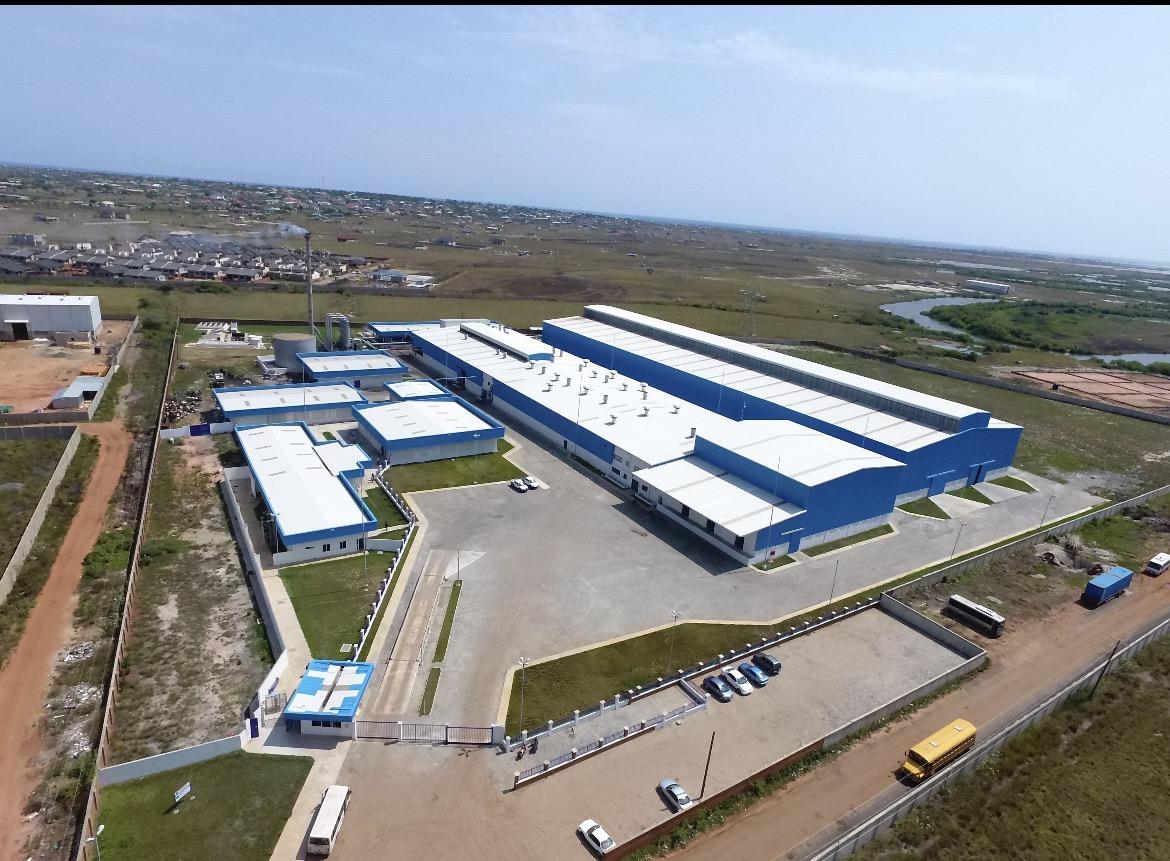
Ghana’s efforts to position agriculture as a major investment destination will remain constrained unless critical infrastructure gaps that fuel post-harvest losses are addressed, the Ghana Investment Promotion Authority (GIPA) has warned.
The investment promotion agency says inadequate storage facilities, weak transport networks and limited agro-processing capacity continue to erode the value of agricultural production, depriving farmers of income while discouraging private capital from entering the sector.
Speaking at GIPA’s Regional Investment Forum in Sunyani, Deputy Chief Executive Abdul Razack Baba said reducing post-harvest losses should be viewed not only as an agricultural priority but as an economic and investment imperative.
He noted that large quantities of agricultural produce are lost each year because they cannot be stored, transported or processed in time, creating inefficiencies across the value chain and reducing the commercial viability of farming.
According to GIPA, expanding investment in warehouses, cold-chain logistics, processing facilities and rural transport infrastructure would improve productivity, increase value addition and strengthen Ghana’s competitiveness in regional and international agricultural markets.
The authority also called on traditional authorities and landowners to formalise and register investment-ready lands, arguing that a transparent land acquisition system would accelerate project development and improve investor confidence.
GIPA further highlighted recent efforts by the Bank of Ghana and the Ministry of Finance to lower borrowing costs, saying more affordable financing would enable local businesses to expand production, modernise operations and invest in agro-processing.
The investment forum, held under the theme “Driving Local Investment, Unlocking Regional Potential: Mapping Opportunities and Mobilising Growth in the Bono Region,” showcased opportunities across food processing, rice milling, edible oil production, starch manufacturing, animal feed production and fruit processing.
The authority believes that transforming agricultural infrastructure will not only reduce food losses but also unlock higher-value exports, create rural employment and position agribusiness as one of Ghana’s most attractive sectors for long-term domestic and foreign investment.
For investors, the message is clear: improving agricultural infrastructure is increasingly becoming as important as expanding production, with efficient logistics and value addition now seen as critical drivers of returns, food security and sustainable economic growth.
Written by
Liwalmor M-Moadan
M-Moadan is dedicated journalist committed to delivering accurate, timely, and impactful news. Passionate about uncovering the facts, telling meaningful stories, and keeping the public informed with integrity and professionalism.
Related Stories

Accra and Kumasi Expressway: Government Targets Full Funding by End of 2026 as Military Clears 170km Corridor
Ghana’s ambitious Accra and Kumasi Expressway project has moved closer to its construction phase, with the government announcing that it expects to secure the...
Ghana Immigration clears beggars from the streets of Accra and Kumasi
1,055 beggars remove from the street of Accra and Kumasi, Ghana Immigration Service migrant as part of an operation targeting undocumented foreign nationals....
Star Oil cuts petrol below GH¢15 as Ghana fuel retailers begin August price reset
Some Oil Marketing Companies (OMCs) began reviewing petroleum product prices on Monday, August 17, with Star Oil emerging as one of the first large retailers...
Comments (0)
No comments yet. Be the first to share your thoughts.