Tunisia Tops Africa’s Currency Rankings as Ghana’s Cedi Holds Fourth Spot
Liwalmor M-Moadan
Journalist
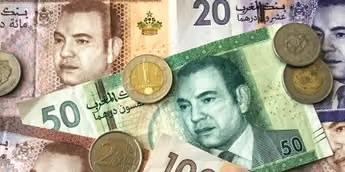
Tunisia retained the title of Africa’s strongest currency in July 2026, while Ghana’s cedi ranked fourth on the continent, underscoring the resilience of a handful of African currencies despite mounting global market pressures and renewed demand for the US dollar.
The latest rankings, based on data from the Forbes currency calculator, come as investors closely monitor exchange-rate stability across emerging markets amid elevated oil prices, tighter global financial conditions and persistent inflationary risks.
Tunisia’s dinar remained Africa’s highest-valued currency, followed by Libya’s dinar and Morocco’s dirham. Ghana’s cedi secured fourth place, ahead of currencies from Seychelles, Botswana, Eritrea, Eswatini, Namibia and Lesotho.
The rankings highlight the growing importance of currency stability as African economies grapple with external shocks. A stronger domestic currency reduces the cost of imported fuel, machinery, pharmaceuticals and industrial inputs, helping to contain inflation while preserving household purchasing power.
Analysts say stable currencies also improve investor confidence by reducing exchange-rate risk for foreign investors, encouraging capital inflows and supporting long-term economic growth.
While several African currencies—including Nigeria’s naira, Uganda’s shilling and Ghana’s cedi—are expected to face depreciation pressures in the coming weeks, Reuters polling indicates that Kenya’s shilling and Zambia’s kwacha are likely to remain relatively stable, supported by robust remittance inflows and strong copper export earnings respectively.
For Ghana, the cedi’s position among Africa’s strongest currencies reflects its nominal value against the US dollar rather than the overall strength of the economy. Economists caution that exchange-rate rankings should be viewed alongside broader indicators such as inflation, productivity, fiscal discipline and foreign exchange reserves.
The report nevertheless reinforces the role of sound macroeconomic management, export earnings and foreign exchange inflows in supporting currency resilience at a time when many African economies continue to navigate volatile global financial conditions.
Top 10 Strongest African Currencies (July 2026)
- Tunisia – Tunisian Dinar
- Libya – Libyan Dinar
- Morocco – Moroccan Dirham
- Ghana – Ghanaian Cedi
- Seychelles – Seychellois Rupee
- Botswana – Botswana Pula
- Eritrea – Eritrean Nakfa
- Eswatini – Swazi Lilangeni
- Namibia – Namibian Dollar
- Lesotho – Lesotho Loti
Written by
Liwalmor M-Moadan
M-Moadan is dedicated journalist committed to delivering accurate, timely, and impactful news. Passionate about uncovering the facts, telling meaningful stories, and keeping the public informed with integrity and professionalism.
Related Stories

Accra and Kumasi Expressway: Government Targets Full Funding by End of 2026 as Military Clears 170km Corridor
Ghana’s ambitious Accra and Kumasi Expressway project has moved closer to its construction phase, with the government announcing that it expects to secure the...
Ghana Immigration clears beggars from the streets of Accra and Kumasi
1,055 beggars remove from the street of Accra and Kumasi, Ghana Immigration Service migrant as part of an operation targeting undocumented foreign nationals....
Star Oil cuts petrol below GH¢15 as Ghana fuel retailers begin August price reset
Some Oil Marketing Companies (OMCs) began reviewing petroleum product prices on Monday, August 17, with Star Oil emerging as one of the first large retailers...
Comments (0)
No comments yet. Be the first to share your thoughts.