GoldBod Faces Intensifying Scrutiny as Afenyo-Markin Warns of ‘Big Scandal’
Liwalmor M-Moadan
Journalist
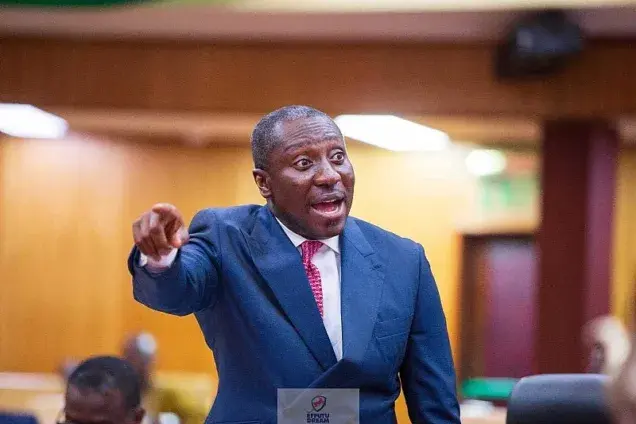
Ghana’s state-backed gold trading system is facing a fresh political challenge after Minority Leader Alexander Afenyo-Markin warned that the Ghana Gold Board could become the centre of a major scandal, escalating scrutiny over the governance, transparency and financial risks surrounding the country’s domestic gold purchasing operations.
The Effutu MP issued one of his strongest warnings yet about GoldBod, suggesting that the opposition possessed information about the institution’s operations that was not yet in the public domain.
“GoldBod is a very big scandal awaiting us. There are things we know that they don’t know. They should be careful,” Mr Afenyo-Markin said.
The allegation, for which the Minority Leader did not provide detailed evidence in the remarks reported, is significant because GoldBod has rapidly become an important component of Ghana’s attempt to formalise the domestic gold trade, strengthen foreign exchange inflows and improve the country’s ability to capture value from one of its most important export commodities.
But the political controversy is increasingly colliding with a more complicated economic question: how much financial risk should the state and central bank assume in order to accumulate reserves and intermediate Ghana’s gold exports?
The debate has intensified around the Bank of Ghana’s Domestic Gold Purchase Programme and the financial costs associated with the expansion of state involvement in gold trading.
The International Monetary Fund has previously acknowledged that Ghana’s gold-purchasing strategy can support international reserve accumulation and reduce pressure on the foreign exchange market. At the same time, the programme has generated concerns over balance-sheet exposure, operational costs and the broader financial risks associated with large-scale state participation in the gold market.
That distinction is crucial.
Gold purchases have become part of Ghana’s broader strategy for strengthening its external buffers. The central bank’s growing role in the domestic gold market has supported efforts to rebuild foreign exchange reserves at a time when the country is recovering from its sovereign debt crisis and attempting to restore confidence in the cedi.
The expansion of the programme has, however, raised questions about the costs associated with acquiring, processing and selling gold, as well as the impact of exchange-rate movements and other trading risks.
The scale of Ghana’s gold operations illustrates both their potential and their risks. Gold has emerged as an increasingly important pillar of the country’s external sector, providing foreign exchange and helping strengthen the balance of payments.
Yet greater state intermediation also exposes public institutions to commodity-price movements, currency fluctuations, transaction costs and potentially significant financial losses if purchasing and selling arrangements are not efficiently structured.
The financial implications have consequently become an important political battleground.
Concerns about losses associated with the Domestic Gold Purchase Programme have intensified demands for greater clarity over how the financial performance of the programme is calculated.
The distinction between trading losses, transaction costs, fees and foreign-exchange valuation effects is particularly important. A headline loss figure without a detailed reconciliation of these components risks obscuring rather than clarifying the underlying economics of the programme.
According to the IMF Country Report No. 26/213 cited in the controversy, the substantial expansion of the programme during 2025 resulted in losses exceeding US$1.7 billion, equivalent to roughly 1.5 per cent of Ghana’s gross domestic product.
That figure has become central to the political argument surrounding GoldBod, although officials and economists have disputed interpretations of the losses and their relationship to GoldBod’s own financial performance.
The controversy therefore highlights the need to distinguish clearly between the financial accounts of GoldBod itself and the broader costs associated with the Bank of Ghana’s Domestic Gold Purchase Programme.
That is where Mr Afenyo-Markin’s intervention raises a broader governance question.
GoldBod is operating in a sector that has become increasingly important to Ghana’s macroeconomic management. Gold exports support foreign-exchange supply, reserve accumulation and the balance of payments. At the same time, greater state intermediation exposes public institutions to financial risks that could ultimately affect taxpayers and the wider public balance sheet.
The issue is therefore no longer simply whether Ghana should buy domestic gold. It is whether the institutional architecture through which the purchases are conducted provides sufficient transparency to allow Parliament, investors and taxpayers to understand the risks being accumulated.
For the government, GoldBod represents an attempt to restructure a fragmented gold market, improve traceability, curb smuggling and capture foreign exchange that might otherwise remain outside official channels.
For the opposition, however, the rapidly expanding financial flows passing through the system create a corresponding requirement for stronger disclosure and accountability.
Mr Afenyo-Markin’s warning is likely to sharpen demands for detailed information on GoldBod’s purchases, sales, fees, counterparties, margins and relationship with the Bank of Ghana.
It could also increase pressure for Parliament and relevant state oversight institutions to examine the operational and financial architecture surrounding the domestic gold programme.
The controversy arrives at a delicate moment for Ghana’s economic recovery. Strong gold exports have contributed to improvements in the country’s external position, while rising reserves and greater foreign-exchange availability have helped strengthen confidence in the economy.
Any assessment of GoldBod must therefore confront an uncomfortable trade-off: the gold strategy may contribute materially to reserve accumulation and foreign-exchange stability while simultaneously creating financial and governance risks that ultimately fall on the public sector.
That makes transparency particularly important.
If the opposition possesses evidence of misconduct, as Mr Afenyo-Markin’s remarks appear to suggest, producing that evidence would move the debate beyond political accusation and allow the claims to be subjected to independent scrutiny.
Equally, GoldBod and the government face pressure to publish sufficient operational and financial information to demonstrate how public exposure to the gold trade is being managed.
The stakes extend beyond the immediate political confrontation.
Gold has become increasingly intertwined with Ghana’s foreign-exchange strategy and broader economic stabilisation programme. Weak governance surrounding such a strategically important commodity could undermine confidence even if the underlying policy objective remains economically defensible.
The central economic question is ultimately straightforward: Ghana’s gold wealth can strengthen the country’s external finances, but the mechanisms designed to capture that value must not create opaque liabilities elsewhere in the public balance sheet.
For GoldBod, the challenge will be demonstrating that an institution created to bring greater order and value to Ghana’s gold economy can withstand the same transparency and accountability standards that its expanding financial importance now demands.
Written by
Liwalmor M-Moadan
M-Moadan is dedicated journalist committed to delivering accurate, timely, and impactful news. Passionate about uncovering the facts, telling meaningful stories, and keeping the public informed with integrity and professionalism.
Related Stories
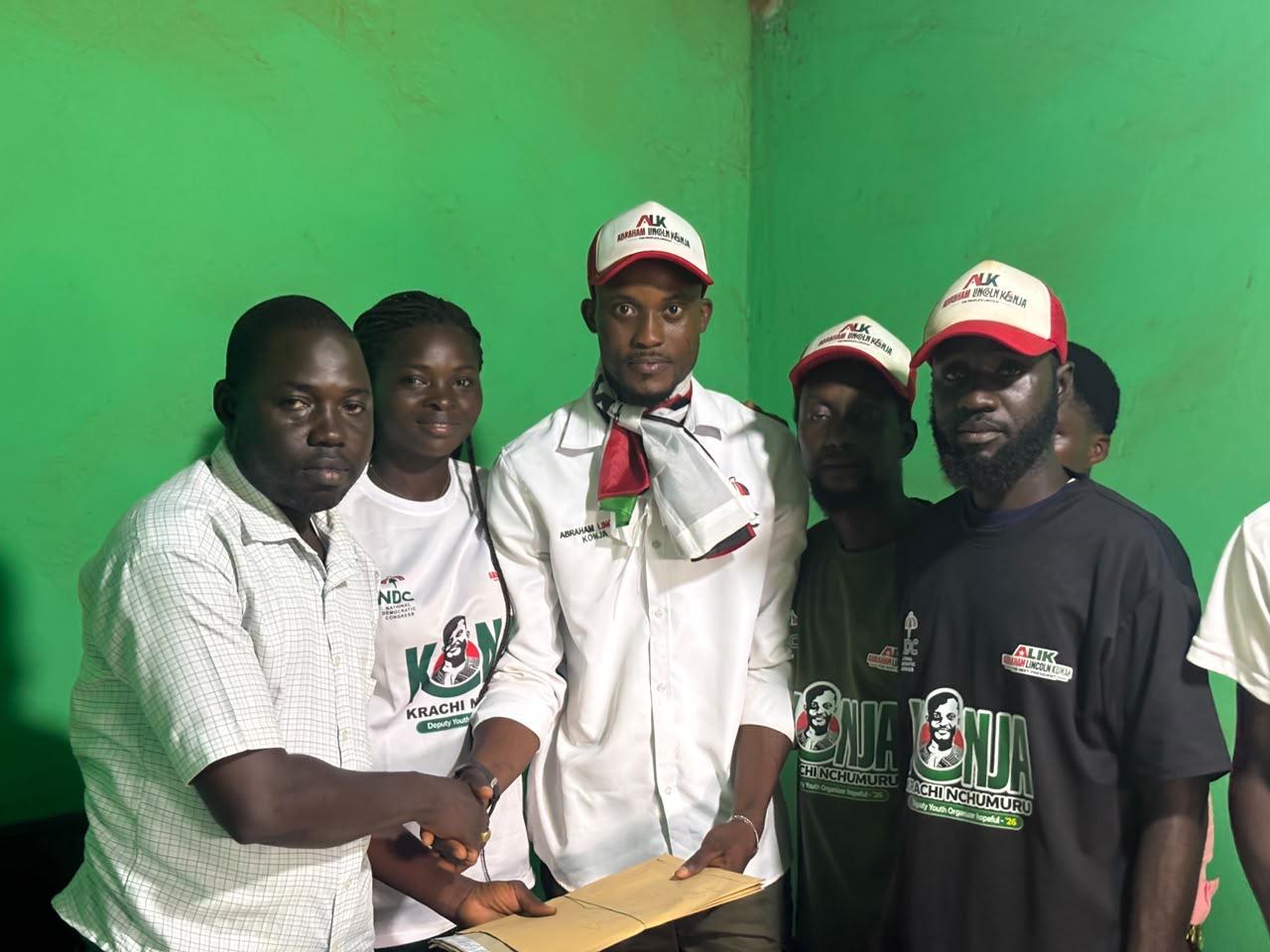
ABRAHAM LINCOLN KONJA FILES FOR NDC DEPUTY YOUTH ORGANISER IN KRACHI NCHUMURU
Abraham Lincoln Konja has officially filed his nomination to contest the position of Deputy Constituency Youth Organiser of the National Democratic Congress...

Fuseini Inusah Akonsi Declares Bid for NDC Northern Regional Deputy Youth Organizer
Fuseini Inusah Akonsi has officially declared his intention to contest for the position of Northern Regional Deputy Youth Organizer of the National Democratic...
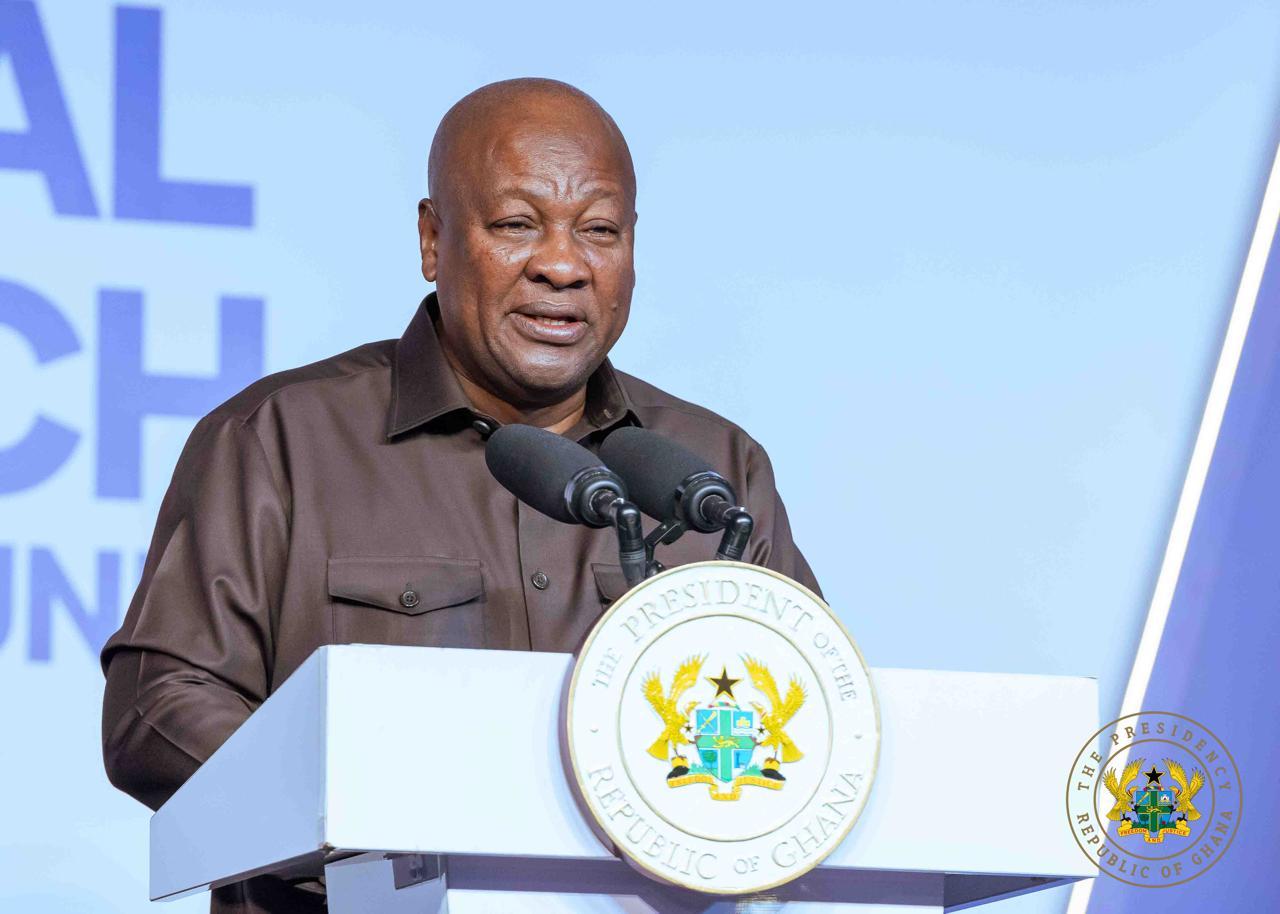
Mahama Orders Immediate Dissolution of Boards of Nine State Institutions
President John Dramani Mahama has directed the immediate dissolution of the governing boards of nine state-owned institutions, affecting organisations...
Comments (0)
No comments yet. Be the first to share your thoughts.