Mali’s Gold Production to Stay Below 60 Tonnes Until 2029 as Mining Reforms Reshape Sector
Liwalmor M-Moadan
Journalist

Mali’s industrial gold industry is expected to remain well below its recent production peak for the rest of the decade, according to a government mining strategy reviewed by Reuters, underscoring the lasting impact of sweeping sector reforms and investor uncertainty.
The Ministry of Mines projects industrial gold production at 43.2 metric tonnes in 2026, rising gradually to 51.2 tonnes in 2027 before reaching 57 tonnes in 2028. Output is then forecast to slip back to 50 tonnes in 2029, keeping annual production below the 60-tonne mark throughout the four-year planning period.
The projections extend a sharp downturn that followed Mali’s adoption of a new mining code in 2023, which increased state control over the sector in an effort to secure a larger share of mining revenues.
Authorities have defended the reforms as necessary to improve public finances, pointing to a government audit that reportedly recovered 761 billion CFA francs (about US$1.2 billion) in alleged unpaid obligations from mining companies.
However, the tougher regulatory environment has unsettled international investors and contributed to production losses across one of Africa’s largest gold-producing nations.
Mali’s output fell to 42.2 tonnes in 2025, down from a revised 54.8 tonnes in 2024, and far below the record 66.5 tonnes produced in 2023, highlighting the scale of the industry’s slowdown.
Despite the decline, the country’s largest mining operations are expected to continue driving production. B2Gold’s Fekola mine, Barrick’s Loulo-Gounkoto complex, Resolute Mining’s Syama mine, and Allied Gold’s Sadiola operation are projected to account for the majority of industrial gold output through 2029.
Meanwhile, artisanal and small-scale mining is expected to remain relatively stable at around six tonnes annually, providing only modest support to overall production.
The ministry’s outlook also points to a gradual depletion of Mali’s mineral base. Industrial gold reserves are forecast to decline from 906.8 tonnes in 2026 to 748.6 tonnes by 2029, raising questions about the long-term sustainability of output unless significant new discoveries or mine expansions materialise.
The report did not explain the assumptions behind the production forecasts, and Mali’s Ministry of Mines had not responded to requests for comment at the time the plan became public.
For investors, the latest projections suggest that Mali’s mining industry may continue to operate below its historical potential as the country balances resource nationalism with the need to attract fresh capital into one of its most important export sectors.
Written by
Liwalmor M-Moadan
M-Moadan is dedicated journalist committed to delivering accurate, timely, and impactful news. Passionate about uncovering the facts, telling meaningful stories, and keeping the public informed with integrity and professionalism.
Related Stories
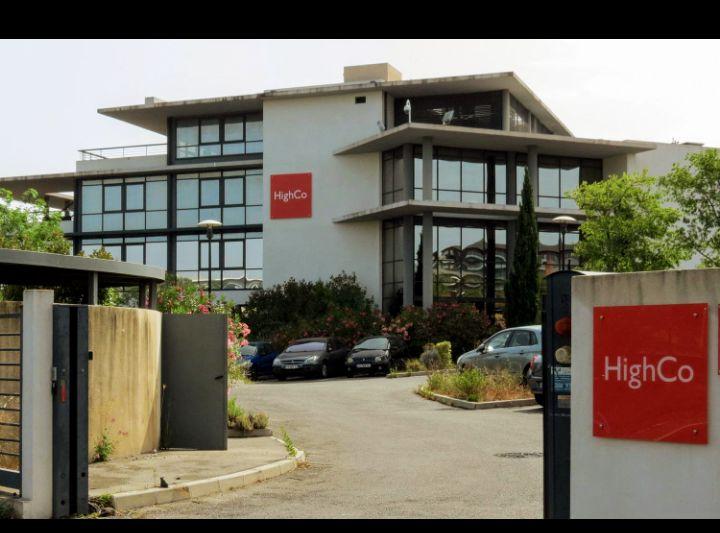
HIGHCO POSTS 22.5% Q3 GROWTH AS FRANCE ANCHORS PERFORMANCE
French data marketing company HighCo has reported a 22.5 per cent increase in gross profit for the third quarter of 2026, supported largely by its recent...

FRANCE COUNTS THE COST OF NATIONWIDE PROTESTS AFTER HISTORIC TOWN HALL FIRE
PARIS, France — October 19, 2026 French authorities are assessing the damage caused by nationwide demonstrations that turned destructive on Saturday, October...

PUTIN MEETS TRUMP ENVOYS: IS UKRAINE FINALLY MOVING CLOSER TO PEACE
A new diplomatic effort to end the Russia-Ukraine war has placed peace negotiations back in the international spotlight after months of stalled progress. On...
Comments (0)
No comments yet. Be the first to share your thoughts.