NPP’s protest petition will receive no attention, Mustapha Gbande says as political tensions sharpen
Liwalmor M-Moadan
Journalist
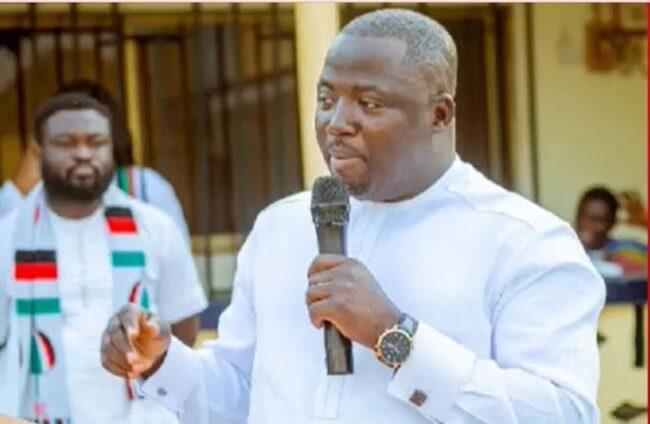
The governing National Democratic Congress has sharply dismissed a petition submitted by the opposition New Patriotic Party following its “Democracy Under Attack” demonstration, signalling that the government intends to press ahead with investigations and prosecutions despite mounting opposition criticism over what the NPP describes as politically motivated arrests.
Mustapha Gbande, Deputy General Secretary and Director of Operations of the NDC, said the petition presented to the Presidency after Thursday’s protest lacked substance and would not distract the government from its broader governing agenda.
Speaking on Joy FM’s Top Story on August 6, Mr Gbande acknowledged that the opposition had exercised its democratic right to demonstrate and praised the police for maintaining order during the protest. But he delivered an unusually blunt assessment of the petition and the political grievances underpinning it.
“I’ll assume that they have successfully demonstrated. Nobody is hurt. The police have been law-abiding; they protected them quite apart from their waywardness and ensured that whatever they intended had finished,” he said.
“Let me assure him that that petition they have submitted today, nobody is going to have time to read it because it doesn’t make sense, and nobody is going to waste time. We have a nation to build. We have a country to build.”
The comments underline the increasingly confrontational political atmosphere surrounding accountability and law enforcement in Ghana, as the opposition accuses the government of using state institutions to target former officials and political opponents while the governing party insists that investigations are legitimate exercises in enforcing accountability.
For the Mahama administration, the political challenge is to demonstrate that investigations into alleged financial misconduct are grounded in evidence, institutional independence and due process rather than partisan considerations. For the NPP, meanwhile, the demonstration represents an attempt to frame recent arrests, investigations and bail conditions as part of a broader concern over civil liberties and democratic governance.
Haruna Mohammed, the NPP’s Deputy General Secretary, has argued that the protest was triggered by what the party considers politically motivated arrests and harassment of its members, as well as what it views as excessive bail conditions imposed on some individuals.
Mr Gbande rejected the suggestion that the government was pursuing selective justice. He argued that political affiliation should provide no protection to individuals where credible evidence of wrongdoing exists.
“If by Monday there is any report that he, Mohammed, has stolen money, I believe he will not do it. If there’s any report against him, then he will be arrested,” he said.
That argument goes to the heart of a broader institutional question confronting Ghana: how governments can pursue accountability for alleged misconduct by former public officials without creating the perception that anti-corruption investigations are instruments of political retaliation.
Ghana’s history of fierce competition between the NDC and NPP means investigations involving politically exposed persons frequently become politically charged. The credibility of such processes therefore depends heavily on the independence of investigative institutions, transparency in the handling of cases and adherence to constitutional protections.
Mr Gbande nevertheless indicated that the administration would not retreat from its accountability drive because of demonstrations or political pressure.
“So let me assure him that the petition they sent will not be read by anybody. They won’t get any feedback. From tomorrow, the arrests will even intensify. Let Ghanaians be the judge,” he said.
The statement is likely to intensify the political debate. While governments have a responsibility to ensure that allegations of corruption and financial misconduct are investigated, the dismissal of a formal opposition petition risks becoming a separate political controversy over how governments engage with dissent.
In a functioning democracy, demonstrations and petitions provide mechanisms through which citizens and political organisations can express grievances. The substantive strength of the NPP’s allegations may ultimately be tested by evidence and the courts, but the political significance of the protest extends beyond whether the government agrees with the petition.
The dispute also comes at a sensitive moment because Thursday’s demonstration coincided with activities marking the first anniversary of the military helicopter crash that killed eight people, including senior government officials and military personnel.
Mr Gbande criticised the NPP for choosing the anniversary for its demonstration, describing the timing as insensitive.
“You go and stand outside, exploit unsuspecting youths to go and stand in the rain on a day that we are mourning and reflecting on a tragedy that has hit this country,” he said.
“We lost eight statesmen. One-year anniversary, you organise a demonstration, and you call yourself a political party of well-meaning Ghanaians. It’s called waywardness. It’s called insensitivity.”
The collision of the two events added an emotional dimension to what was already a politically charged confrontation. For the government and NDC, August 6 was principally a moment of national remembrance. For the opposition, however, the demonstration was intended to highlight what it considers an urgent deterioration in democratic safeguards.
The deeper test for both sides will be whether the confrontation remains within Ghana’s established democratic institutions.
The NPP will need to substantiate its claims of political persecution and selective justice rather than rely solely on political mobilisation. Equally, the government and law-enforcement agencies face the burden of demonstrating that arrests and prosecutions are based on evidence and applied consistently, irrespective of party affiliation.
Mr Gbande maintained that the government respects the right of citizens to protest but insisted that democratic freedoms do not shield individuals from accountability where laws have allegedly been breached.
That distinction — between political persecution and legitimate prosecution — is likely to become one of the defining arguments between the government and opposition as investigations involving former officials progress.
For Ghana’s democratic institutions, the stakes extend beyond the immediate confrontation between the NDC and NPP. Public confidence will ultimately depend less on the rhetoric surrounding demonstrations and petitions than on whether investigative agencies, prosecutors and courts are seen to operate independently, transparently and according to law.
The government may therefore regard Thursday’s demonstration as a political distraction, but the questions raised by the opposition about due process, institutional independence and the boundaries of executive power are unlikely to disappear with the protest.
As Mr Gbande made clear, neither will the government’s accountability campaign.
Written by
Liwalmor M-Moadan
M-Moadan is dedicated journalist committed to delivering accurate, timely, and impactful news. Passionate about uncovering the facts, telling meaningful stories, and keeping the public informed with integrity and professionalism.
Related Stories
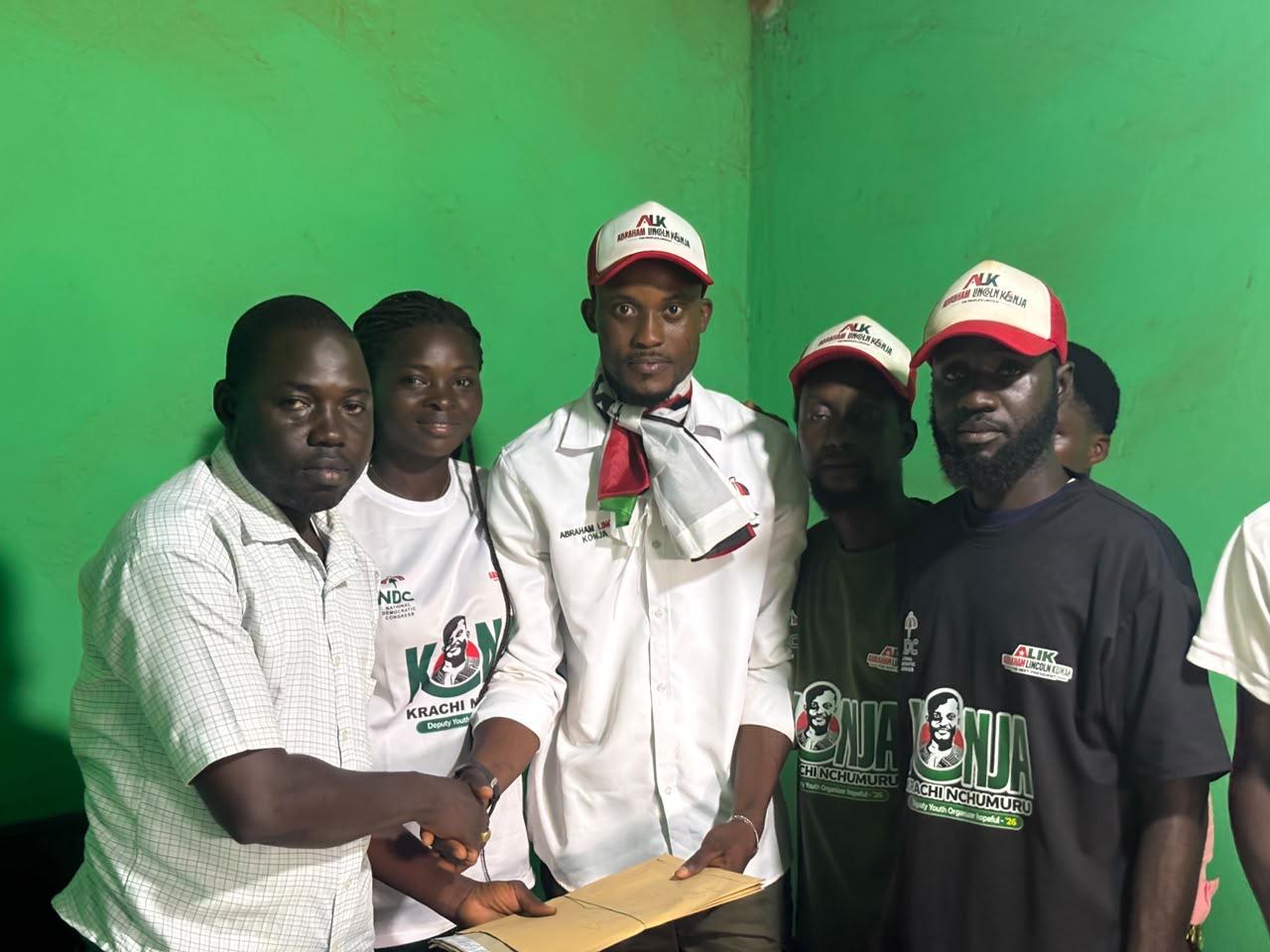
ABRAHAM LINCOLN KONJA FILES FOR NDC DEPUTY YOUTH ORGANISER IN KRACHI NCHUMURU
Abraham Lincoln Konja has officially filed his nomination to contest the position of Deputy Constituency Youth Organiser of the National Democratic Congress...

Fuseini Inusah Akonsi Declares Bid for NDC Northern Regional Deputy Youth Organizer
Fuseini Inusah Akonsi has officially declared his intention to contest for the position of Northern Regional Deputy Youth Organizer of the National Democratic...
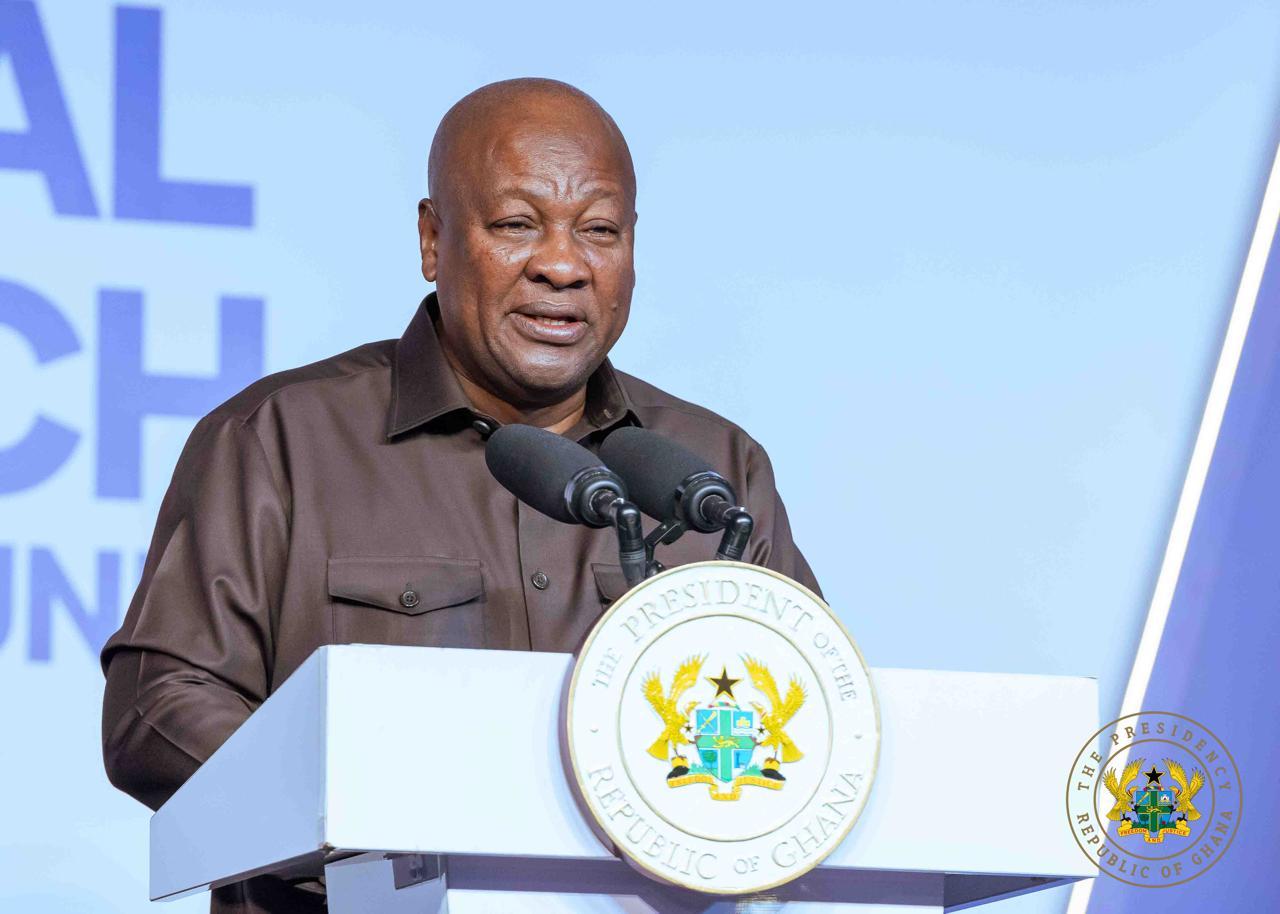
Mahama Orders Immediate Dissolution of Boards of Nine State Institutions
President John Dramani Mahama has directed the immediate dissolution of the governing boards of nine state-owned institutions, affecting organisations...
Comments (0)
No comments yet. Be the first to share your thoughts.