Poultry Farmers Press for Decade-Long Reform Agenda as Feed Costs Threaten Ghana’s Food Securit
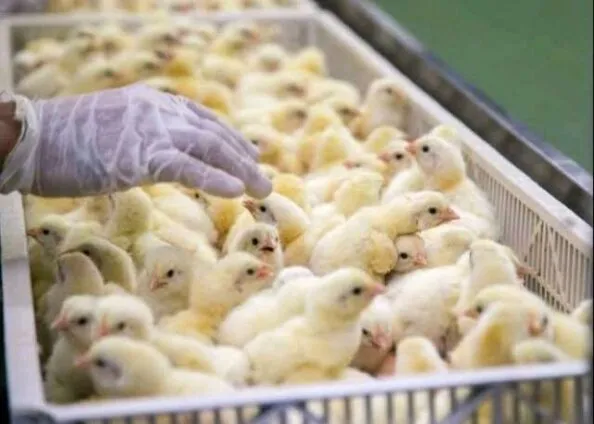
Ghana’s poultry industry has urged the government to use the 2026 Mid-Year Budget Review to move beyond short-term interventions and adopt a comprehensive long-term strategy aimed at restoring the sector’s competitiveness, strengthening domestic food production and reducing dependence on imported feed inputs.
Speaking ahead of the presentation of the Mid-Year Budget Review, Ali Mohammed, Chief Executive Officer of the Greater Accra Poultry Farmers Association (GAFFA), said flagship initiatives such as the “Nkoko Nkitinkiti” programme are welcome but insufficient to resolve the structural challenges facing poultry production.
According to him, government should critically assess the implementation of the programme’s first phase before expanding it, while ensuring broader engagement with industry stakeholders in the design of subsequent phases.
“The poultry industry should have about a 10-year-plus plan laid out,” Mr Mohammed said, arguing that sustainable growth requires long-term policy certainty rather than isolated interventions.
At the centre of the industry’s concerns is the escalating cost of poultry feed, which accounts for nearly 80 per cent of total production costs, significantly eroding profitability and limiting local production capacity.
Mr Mohammed identified inadequate domestic production of quality maize and soya—the two principal ingredients in poultry feed—as the sector’s most pressing challenge. He warned that unless Ghana substantially increases local production while improving quality standards, the industry will remain heavily dependent on costly imports.
Industry estimates indicate that the majority of maize used by commercial poultry operators is imported, while roughly 80 per cent of the soya processed into poultry feed also comes from foreign suppliers because locally produced grains frequently fail to satisfy the industry’s quality and safety requirements.
He stressed that agricultural policies must be designed as an integrated ecosystem rather than as standalone programmes, noting the strong interdependence between crop farmers, feed manufacturers and poultry producers.
Mr Mohammed therefore called on the Ministry of Food and Agriculture to establish stronger commercial linkages between local maize and soya farmers and feed mill operators, arguing that coordinated investment across the agricultural value chain would generate greater economic benefits than fragmented policy interventions.
The GAFFA chief also highlighted the industry’s growing processing capacity, revealing that the association already operates a feed mill and is constructing another facility, while several other commercial millers continue to expand operations nationwide. Even among smaller processors, he noted, annual maize consumption exceeds 400 metric tonnes, underscoring the sector’s potential to stimulate domestic grain production if reliable local supply can be achieved.
The industry’s proposals come as Finance Minister prepares to present the 2026 Mid-Year Budget Review, with stakeholders expecting fresh measures to strengthen agricultural productivity, reduce food import dependence and enhance value-chain development as part of Ghana’s broader economic transformation agenda.
Related Stories

Ga Mantse Leads Investor Mission to Tema Oil Refinery in Push to Revive Ghana’s Strategic Energy Asset
His Royal Majesty the Ga Mantse has led a delegation of investors on a strategic visit to the Tema Oil Refinery (TOR), signalling renewed interest in...
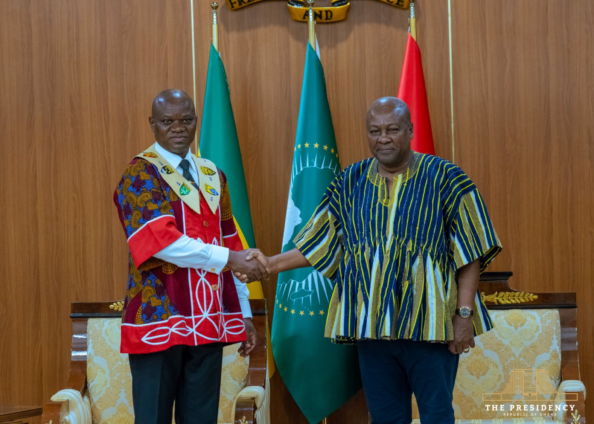
Mahama Seeks Strategic Ghana–Gabon Economic Pact to Boost Investment, Trade and Jobs
President John Dramani Mahama has outlined an ambitious vision for a deeper economic partnership between Ghana and Gabon, positioning trade, industrialisation...
Rally Pauses as Investors Turn Selective; MTN Ghana Accounts for Over Half of Market Turnover
The remarkable rally on the Ghana Stock Exchange (GSE) showed fresh signs of cooling on Tuesday as investors adopted a more cautious stance, leaving the market...
Comments (0)
No comments yet. Be the first to share your thoughts.