PwC Backs Ghana’s Fiscal Turnaround but Says Economic Transformation Remains Incomplete
Liwalmor M-Moadan
Journalist
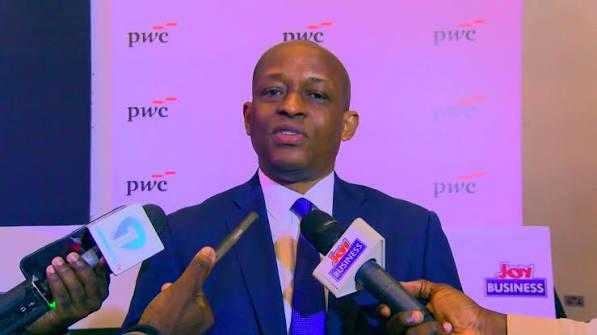
Ghana’s macroeconomic recovery has gained credibility, but the country remains some distance from achieving genuine economic transformation, according to accounting and advisory firm PwC, which says the government’s strongest case lies in stabilising the economy rather than fundamentally reshaping it.
In its assessment of the 2026 Mid-Year Budget Review, PwC acknowledged that Ghana has successfully emerged from the acute phase of its recent economic crisis. However, it cautioned that improved fiscal and macroeconomic indicators should not be mistaken for a fully restored growth model.
“The government’s narrative is more persuasive on stabilisation than on transformation,” the firm noted, arguing that deep structural weaknesses continue to constrain the economy despite the marked improvement in headline indicators.
PwC identified persistent challenges in the power sector, infrastructure, agriculture, manufacturing and the banking industry as evidence that the foundations for long-term growth remain fragile. It argued that addressing these weaknesses will require politically difficult reforms sustained over successive administrations rather than short-term policy interventions.
The firm nevertheless described the government’s fiscal consolidation programme as credible and measurable.
It pointed to a commitment primary surplus of 0.9% of GDP and a cash primary surplus of 0.6% of GDP during the first half of 2026, both exceeding budget targets and signalling stronger-than-expected fiscal discipline.
Expenditure restraint also produced substantial financing gains. Government interest payments came in GH¢6.9 billion below budget, including GH¢4.2 billion in domestic interest savings, easing pressure on public finances and reducing the state’s borrowing burden.
PwC further observed that Ghana’s debt dynamics have improved materially. Although lower debt ratios have been supported by debt restructuring, exchange-rate developments and nominal GDP growth, the firm said the country’s debt trajectory has moved away from what had previously appeared to be an unsustainable path.
Progress on external debt restructuring was also highlighted as a major achievement. The completion of the Saderea Notes exchange, alongside bilateral and commercial creditor agreements, has significantly reduced sovereign financing risks and improved Ghana’s standing with investors.
The country’s external position has likewise strengthened. International reserves reached the equivalent of five months of import cover in June 2026, comfortably exceeding the conventional three-month adequacy threshold and providing greater resilience against external economic shocks.
Despite these improvements, PwC warned that macroeconomic stability should be viewed as a platform for deeper reforms rather than an end in itself.
The firm concluded that Ghana’s economic recovery will only become truly transformational if fiscal discipline is matched by sustained reforms capable of lifting productivity, strengthening key sectors and expanding the economy’s long-term growth potential.
Written by
Liwalmor M-Moadan
M-Moadan is dedicated journalist committed to delivering accurate, timely, and impactful news. Passionate about uncovering the facts, telling meaningful stories, and keeping the public informed with integrity and professionalism.
Related Stories
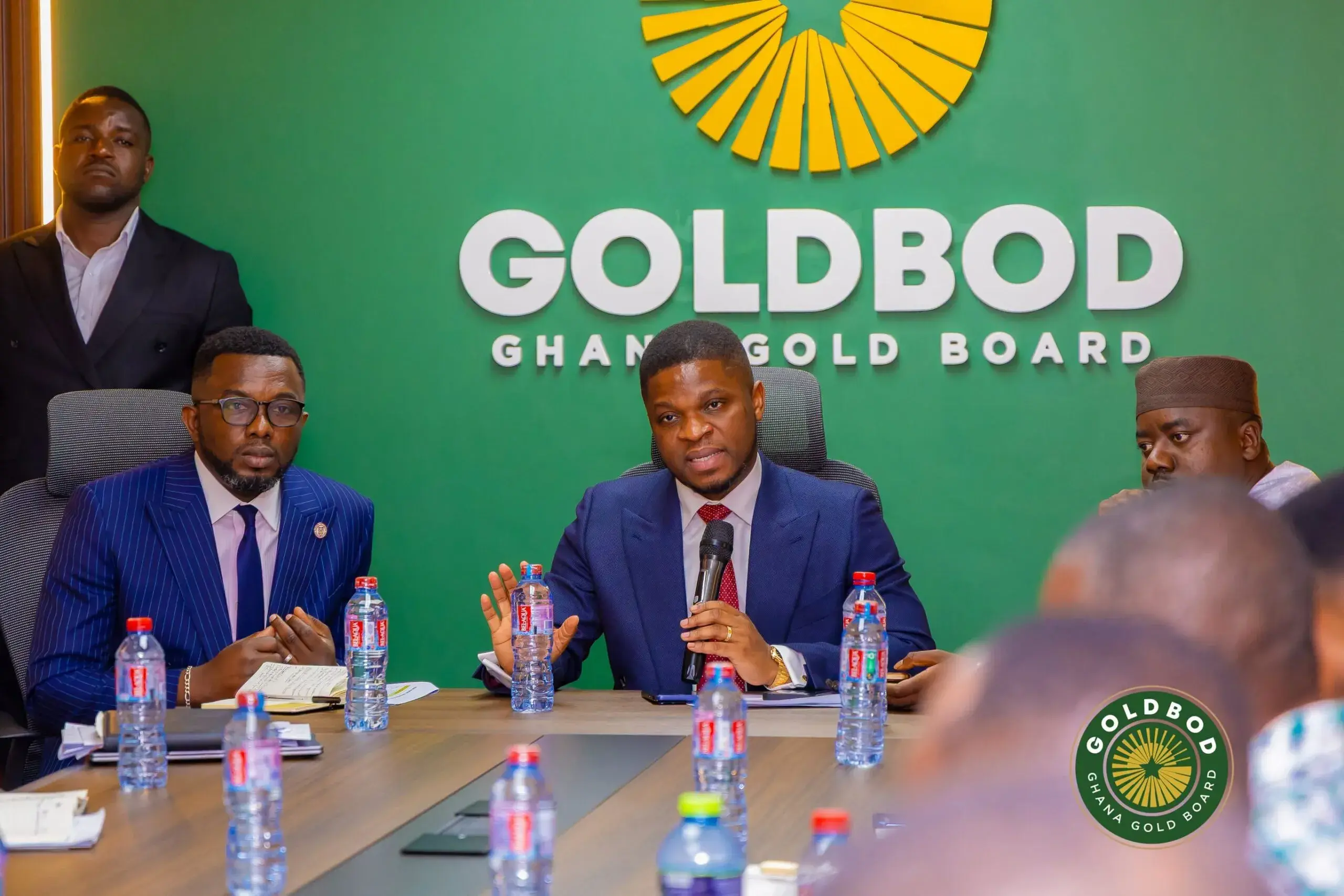
Ghana’s Gold Revolution: Can Refining Gold at Home Finally Keep More of the Country’s Wealth in Ghana?
For generations, Ghana has drawn enormous wealth from beneath its soil, yet much of the value created from that wealth has flowed beyond its borders. Now,...
GoldBod Targets $1.4bn as BoG Reduces September Dollar Sales
The Bank of Ghana (BoG) has sharply reduced the amount of foreign exchange it plans to supply to the market in September 2026. Market data indicate that the...
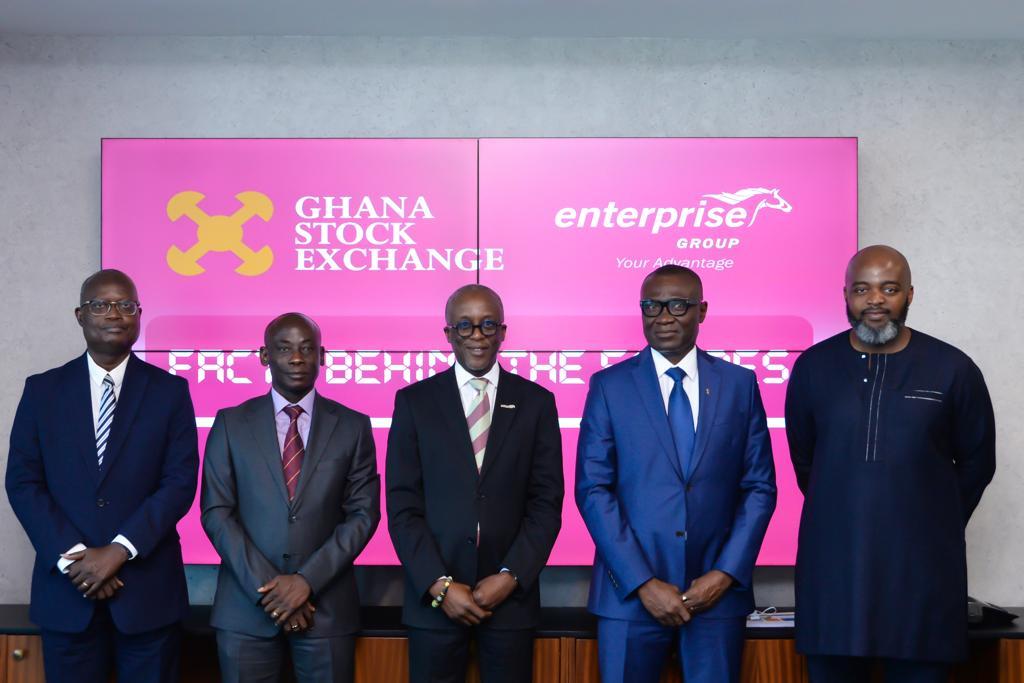
Four CIIG Awards Strengthen Enterprise Insurance’s Leadership Position
Enterprise Insurance emerged as the most successful company at the sixth Chartered Insurance Institute of Ghana (CIIG) Awards, securing four major honours at...
Comments (0)
No comments yet. Be the first to share your thoughts.