South Africa Tightens Grip as Ghana’s Leading African Export Market
Liwalmor M-Moadan
Journalist
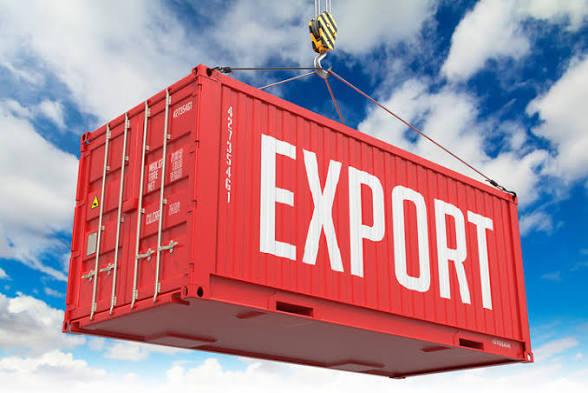
South Africa has reinforced its position as Ghana’s largest export destination on the African continent, highlighting the growing importance of intra-African trade even as Ghana’s export earnings remain heavily concentrated in gold and other primary commodities.
Latest trade data show that South Africa accounted for 58.7 per cent of Ghana’s exports to Africa in 2025, maintaining its lead over all other African trading partners and strengthening its role as the country’s principal gateway into southern African markets.
The figures underscore the deepening commercial relationship between two of sub-Saharan Africa’s largest economies at a time when governments across the continent are seeking to expand regional trade through the African Continental Free Trade Area (AfCFTA).
While Ghana has made progress in increasing exports within Africa, economists note that the composition of those exports reveals a persistent structural challenge. Trade with South Africa continues to be dominated by gold, with the precious metal accounting for the overwhelming majority of shipments, reflecting Ghana’s continued dependence on mineral exports rather than higher value-added manufactured goods.
The latest rankings also highlight the concentration of Ghana’s regional trade. After South Africa, the country’s leading African export destinations include Burkina Faso, Nigeria, Côte d’Ivoire and Togo, with the top five markets accounting for more than 90 per cent of exports to the continent.
Trade analysts say the pattern presents both an opportunity and a risk.
On one hand, South Africa’s sophisticated industrial economy and well-developed logistics infrastructure provide Ghanaian exporters with access to one of Africa’s largest consumer and business markets. On the other hand, heavy reliance on a single destination and a narrow range of export products leaves Ghana vulnerable to fluctuations in commodity prices and demand conditions.
The data come as Ghana continues to position itself as a leading beneficiary of the AfCFTA, whose secretariat is headquartered in Accra. The agreement is expected to reduce trade barriers, encourage industrialisation and diversify exports by enabling African businesses to access a market of more than 1.4 billion people.
Economists argue that fully capitalising on the continental trade pact will require Ghana to move beyond exporting raw commodities toward processed agricultural products, manufactured goods and higher-value industrial products capable of competing across African markets.
Although gold remains the backbone of Ghana’s export sector, policymakers have increasingly emphasised value addition in agriculture, pharmaceuticals, automotive assembly and light manufacturing as critical to expanding the country’s export base and reducing its dependence on volatile commodity markets.
The latest trade figures therefore illustrate both Ghana’s growing regional commercial footprint and the work that remains to transform that presence into a more diversified and resilient export economy.
For investors and policymakers, South Africa’s continued dominance as Ghana’s largest African export market signals the strength of bilateral trade ties. However, it also reinforces the urgency of broadening Ghana’s export basket if the country is to maximise the long-term economic benefits promised by the AfCFTA and build a more sustainable model of export-led growth.
Written by
Liwalmor M-Moadan
M-Moadan is dedicated journalist committed to delivering accurate, timely, and impactful news. Passionate about uncovering the facts, telling meaningful stories, and keeping the public informed with integrity and professionalism.
Related Stories

Accra and Kumasi Expressway: Government Targets Full Funding by End of 2026 as Military Clears 170km Corridor
Ghana’s ambitious Accra and Kumasi Expressway project has moved closer to its construction phase, with the government announcing that it expects to secure the...
Ghana Immigration clears beggars from the streets of Accra and Kumasi
1,055 beggars remove from the street of Accra and Kumasi, Ghana Immigration Service migrant as part of an operation targeting undocumented foreign nationals....
Star Oil cuts petrol below GH¢15 as Ghana fuel retailers begin August price reset
Some Oil Marketing Companies (OMCs) began reviewing petroleum product prices on Monday, August 17, with Star Oil emerging as one of the first large retailers...
Comments (0)
No comments yet. Be the first to share your thoughts.