EBID Approves $150mn Facility for Ghana Road Projects as Development Bank Deepens Regional Infrastructure Push
Liwalmor M-Moadan
Journalist
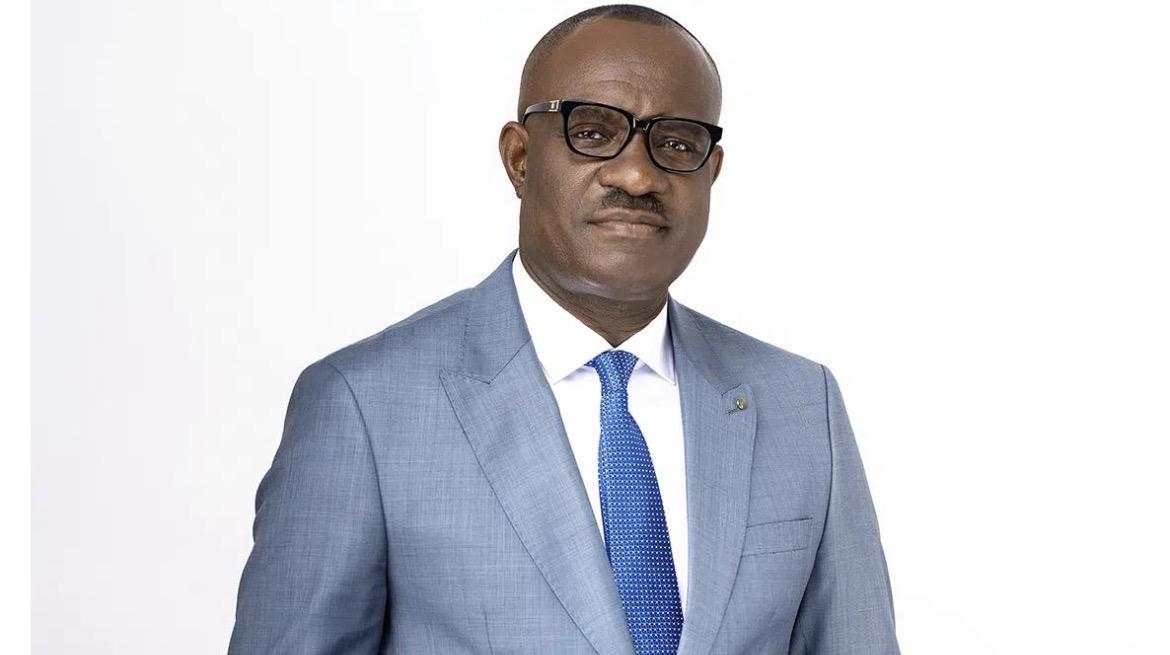
The ECOWAS Bank for Investment and Development has approved a $150mn credit facility for Ghanaian construction company Maripoma Enterprise Limited to support eight strategic road and bridge projects, providing fresh financing for infrastructure as Ghana seeks to accelerate capital investment without undermining its recovering fiscal position.
The facility forms part of more than $510mn in new financing commitments approved by the regional development lender for projects spanning transport, healthcare, renewable energy and private-sector development across West Africa.
The decisions were taken at EBID’s 100th Board Meeting, chaired by Dr George Agyekum Donkor, President and Chairman of the Board of Directors of the bank.
For Ghana, the $150mn facility is particularly significant because it will support a portfolio of eight road and bridge projects estimated to have a combined value of approximately $1.2bn. EBID said the projects are expected to strengthen connectivity and stimulate economic activity.
The financing comes as Ghana attempts to reconcile two competing economic priorities: restoring fiscal and debt sustainability following its recent macroeconomic crisis while simultaneously increasing infrastructure investment needed to raise productivity and support long-term growth.
Roads are central to that challenge.
Poor transport links impose substantial hidden costs on the economy, ranging from longer travel times and higher vehicle maintenance expenses to increased fuel consumption and losses suffered by agricultural producers attempting to move perishable goods to markets.
For businesses, inadequate transport infrastructure raises logistics costs and can weaken competitiveness. For rural communities, roads determine access to markets, healthcare, education and employment.
The economic importance of the EBID facility therefore extends beyond the immediate construction activity generated by the eight projects.
If properly selected and completed on schedule, improved transport corridors could reduce the cost of moving goods between production centres and markets, improve agricultural supply chains and strengthen links between Ghana’s major commercial centres and neighbouring economies.
The structure of the financing is equally important.
Rather than being presented simply as another direct sovereign borrowing programme, the $150mn credit facility is being provided to Maripoma Enterprise Limited, potentially illustrating the increasingly important role development finance institutions can play in supporting infrastructure delivery through private-sector operators.
For Ghana, that approach could become increasingly relevant.
The country’s recent debt restructuring has significantly reduced its ability to rely on the large-scale external commercial borrowing that characterised infrastructure financing during much of the previous decade. The government must consequently find alternative mechanisms for financing roads, energy and other capital-intensive projects without rebuilding unsustainable public debt.
Development banks such as EBID can help bridge that financing gap by providing longer-tenor capital and potentially mobilising additional financing around commercially and economically viable projects.
But the $150mn facility also highlights the scale of Ghana’s infrastructure financing challenge.
The eight projects covered by the facility have a combined estimated portfolio value of approximately $1.2bn, meaning EBID’s financing represents only part of the capital ultimately required.
The effectiveness of the programme will consequently depend on how the remaining financing is structured, the government’s obligations under the contracts and whether sufficient resources are secured to prevent projects from becoming stalled or accumulating payment arrears.
Ghana has previously struggled with fragmented infrastructure financing, including projects commencing before adequate funding was secured for completion. Contractor arrears and delayed payments have periodically slowed construction and increased the ultimate cost of projects.
The latest facility provides an opportunity to demonstrate a more disciplined model in which financing arrangements are closely aligned with construction schedules and measurable project outcomes.
Across West Africa, EBID is adopting a similar strategy of deploying development capital into projects designed to remove structural constraints on economic growth.
In Guinea, the bank approved €143.06mn for construction and paving of the 84-kilometre Cissela–Banko–N’Dèma and Banko–Saraya roads. The project is expected to improve transport corridors, facilitate trade and reduce transportation costs.
A further €65.87mn was approved for construction of a 200-bed regional hospital in Siguiri, which is expected to expand access to specialised healthcare services for more than 1.7mn people.
EBID also approved €60.62mn for Guinea’s Tinkisso II Hydropower Project, which will have installed capacity of 11MW and expected annual generation of 48 gigawatt-hours. More than 350,000 people are expected to benefit from the additional supply of clean electricity.
In Sierra Leone, a $50mn subordinated loan facility was approved for WAICA Reinsurance Corporation Plc to strengthen its capital position and expand financing for infrastructure, energy, transport and agriculture while promoting environmental, social and governance standards.
Commenting on the approvals, Dr Donkor said the operations supported “transformative investments” aimed at strengthening regional connectivity, expanding access to essential services, promoting sustainable energy and mobilising capital for private-sector development.
He emphasised that the initiatives were aligned with EBID’s mandate and reflected the institution’s commitment to improving living standards across West Africa.
The investments fall under EBID’s Growth, Resilience and Optimisation Strategy for 2026-2030, through which the lender aims to use catalytic investment to accelerate structural transformation and strengthen economic self-reliance across the subregion.
For Ghana, however, the immediate test will be execution.
Infrastructure spending can have a powerful multiplier effect when projects improve economically important transport corridors. Construction creates employment and demand for materials in the short term, while completed roads can reduce logistics costs, attract private investment and expand market access over decades.
But those benefits depend on project selection, procurement discipline, construction quality and timely completion.
There is also a broader regional trade argument.
Ghana’s position as a coastal gateway for landlocked economies means improvements in its transport infrastructure have implications beyond its domestic market. Better roads and bridges can strengthen connections between ports, industrial centres and regional trade corridors, supporting deeper economic integration under both ECOWAS and the African Continental Free Trade Area.
The EBID facility therefore represents more than another injection of money into Ghana’s construction industry.
It offers a test of whether development-bank capital can increasingly substitute for expensive sovereign borrowing while still delivering infrastructure at the scale required to lift productivity.
For a country emerging from debt distress, that distinction is crucial. Ghana still needs substantial investment in roads, power, water and logistics to support faster economic growth. What has changed is the financing environment in which those investments must be delivered.
The $150mn EBID facility points towards one possible model: combining development finance with private-sector execution to build productive assets without placing the entire financing burden directly on the sovereign balance sheet.
If the eight projects are delivered efficiently, their economic return could ultimately be measured not simply in kilometres of asphalt or bridges completed, but in lower transport costs, stronger trade corridors and increased productive capacity.
That would make the facility an important demonstration of how Ghana can continue building infrastructure while maintaining the fiscal discipline required to preserve its economic recovery.
Written by
Liwalmor M-Moadan
M-Moadan is dedicated journalist committed to delivering accurate, timely, and impactful news. Passionate about uncovering the facts, telling meaningful stories, and keeping the public informed with integrity and professionalism.
Related Stories
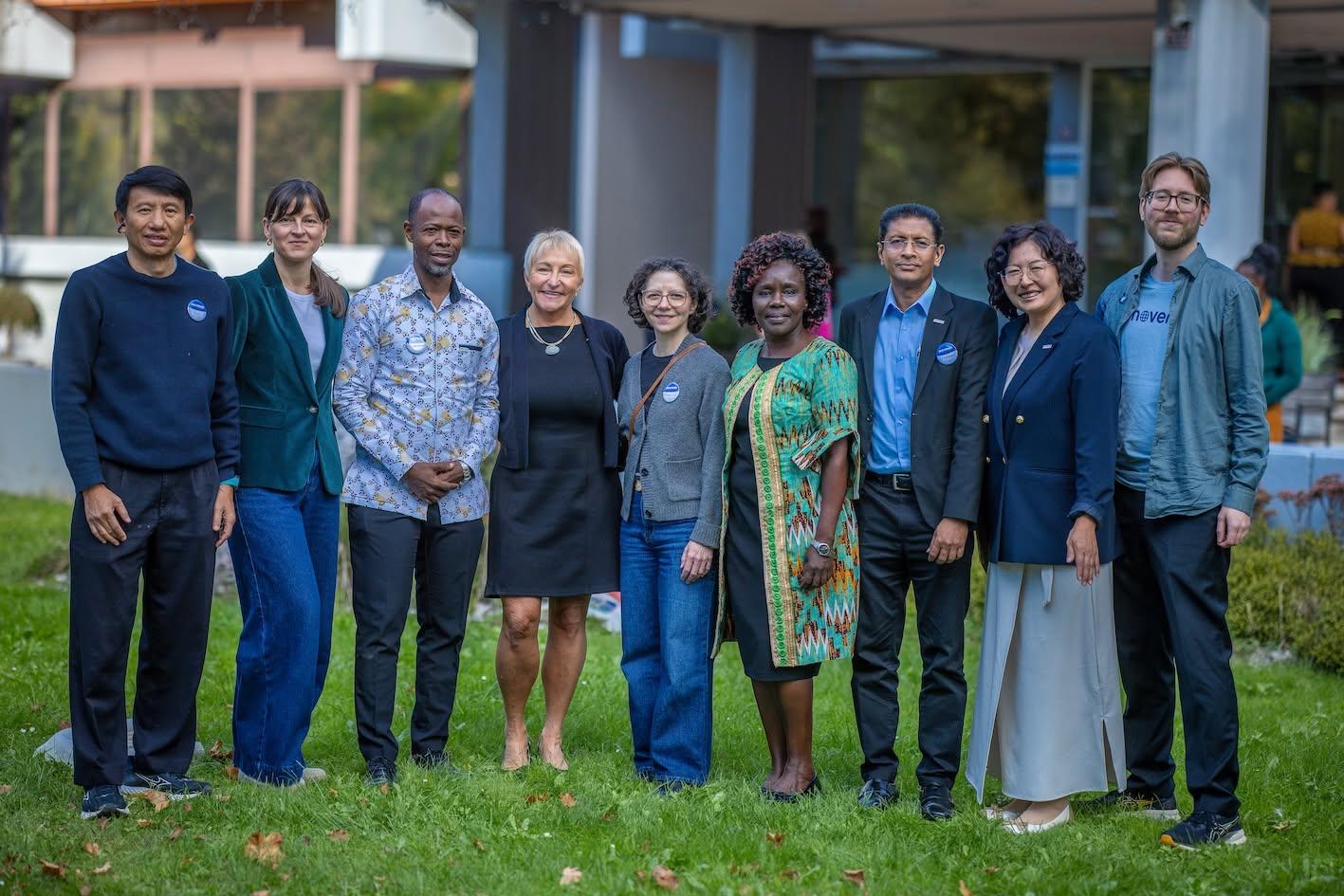
Executive Director of VAST Ghana secures his second term on Movendi international Board
Mr Labram Musah Massawudu, Executive Director of Vision for Accelerated Sustainable Development Ghana (VAST Ghana), has been re-elected to the International...
Executive Director of VAST Ghana secures his second term on Movendi International Board of
Mr.Labram Musah Massawudu, Executive Director of Vision for Accelerated Sustainable Development Ghana (VAST Ghana), has been re-elected to the International...

Global South Must turn independence into Economic strength - Prof. Opoku-Agyemang
Ghana’s Vice President, Professor Jane Naana Opoku-Agyemang, has urged developing countries to focus on building stronger economies and institutions to make...
Comments (0)
No comments yet. Be the first to share your thoughts.