Kpebu warns Mahama over free-speech arrests, says 18-month record exceeds Akufo-Addo’s eight years
Liwalmor M-Moadan
Journalist
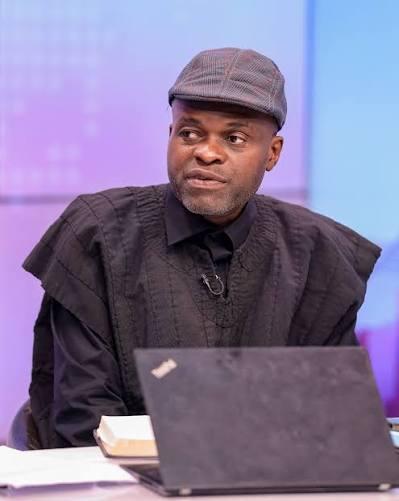
Mr Kpebu claims that the Mahama administration, in its first 18 months in office, has arrested more people in cases connected to free speech than the previous administration of Nana Addo Dankwa Akufo-Addo did throughout its eight-year tenure.
The assertion, which has not been independently substantiated by a comprehensive comparative dataset, adds another dimension to a widening political debate over freedom of expression, law enforcement and the limits of acceptable political speech in Ghana.
“For one and a half years, this current government has arrested more people on matters of free speech than Akufo-Addo’s eight years. It is a bad record for John Mahama; they should be careful. Mahama should pay attention,” Mr Kpebu said in comments on TV3.
His intervention comes at a sensitive moment for the government, as opposition parties and civil society voices increasingly scrutinise the conduct of state institutions and the circumstances under which individuals are arrested or questioned over public statements.
Goodwill and the cost of enforcement
For Mr Kpebu, the concern extends beyond individual arrests. His argument is that repeated use of law-enforcement powers against people accused of making offensive statements could gradually weaken public confidence in an administration that returned to office with substantial political capital.
“These things start small; before he realises, all the goodwill is gone. Let the people talk. During Akufo-Addo’s tenure, Mahama called him and others ‘Akyem sakawa mafia’; who arrested him?” he asked.
The comparison goes to the heart of Ghana’s long-running struggle to distinguish between speech that is merely offensive and expression that crosses legally recognised boundaries.
Ghana has developed a relatively robust culture of political debate since the beginning of the Fourth Republic, with politicians, activists, journalists and ordinary citizens routinely deploying strong language against public officials.
Mr Kpebu accepts that insults should not be encouraged. His objection is to the use of arrest as the principal response.
“We said Akufo-Addo was stone-deaf; ‘mampam’, did he arrest me? Nana Yaa Jantuah called Akufo-Addo Nebuchadnezzar; she popularised it. Allow Ghanaians to talk,” he said.
A wider constitutional question
The controversy raises an important question for the Mahama administration: how should the state protect public order and individuals from genuinely unlawful conduct without creating the perception that criminal processes are being used to suppress criticism?
The distinction matters politically as much as legally.
An arrest does not itself establish guilt. Neither does every offensive statement necessarily enjoy absolute constitutional protection. Threats, incitement and other categories of unlawful conduct can trigger legitimate state intervention.
But where enforcement appears to be directed principally at insults, ridicule or harsh political criticism, governments risk being accused of using the coercive machinery of the state to police opinion.
Mr Kpebu invoked Ghana’s political history to argue that restraint by political leaders has helped preserve the country’s democratic culture.
“Late President Jerry John Rawlings called former President J.A. Kufuor, while in office, a thief. He didn’t arrest J.J. You can’t shut people down by arrests. I think the government should sit up. As for the insult, there is nothing you can do; it’s part of accountability,” he said.
His argument effectively places a higher burden of tolerance on political officeholders. Public officials, by the nature of their positions, are exposed to scrutiny and sometimes deeply unpleasant criticism. The democratic test, in Mr Kpebu’s assessment, is whether the state can tolerate that criticism without routinely invoking police powers.
Opposition seizes on democratic concerns
The debate has acquired additional political significance following the New Patriotic Party’s “Democracy Under Attack” demonstration on August 6.
The opposition NPP has accused the government of political persecution, selective application of justice and the misuse of state institutions against opponents and critics. The government has rejected allegations that state institutions are being deployed for partisan purposes.
Mr Kpebu’s intervention could nevertheless provide further ammunition for critics because his concern is framed less around party politics and more around the institutional implications of arrests linked to expression.
The larger risk for the government is therefore one of perception.
Even where individual arrests may have a legal basis, a succession of high-profile cases can create a broader impression that political speech is being constrained. Once established, that perception can become difficult for an administration to reverse.
Searching for alternatives
Mr Kpebu believes Ghana should develop less coercive mechanisms for addressing offensive commentary rather than attempting to criminalise every insult.
He suggested measures including fines and, where appropriate, public naming and shaming, while calling for a broader national conversation about how to balance responsible expression with constitutional freedoms.
Such alternatives would themselves require careful legal safeguards to ensure they do not become another mechanism for suppressing legitimate criticism.
The broader policy challenge is therefore not simply whether offensive speech should have consequences, but where Ghana draws the line between protecting citizens and institutions from genuinely unlawful conduct and preserving the democratic space for criticism, satire and political disagreement.
For President Mahama, Mr Kpebu’s warning is ultimately political as well as constitutional. Governments can defend individual enforcement decisions on legal grounds, but public confidence is shaped by the cumulative behaviour of state institutions.
If arrests connected to public commentary continue to dominate headlines, the administration may increasingly be required to demonstrate that law-enforcement decisions are based on clearly defined offences rather than the status of the person being criticised.
As Mr Kpebu put it, the central principle should remain simple: “Allow Ghanaians to talk.”
Written by
Liwalmor M-Moadan
M-Moadan is dedicated journalist committed to delivering accurate, timely, and impactful news. Passionate about uncovering the facts, telling meaningful stories, and keeping the public informed with integrity and professionalism.
Related Stories
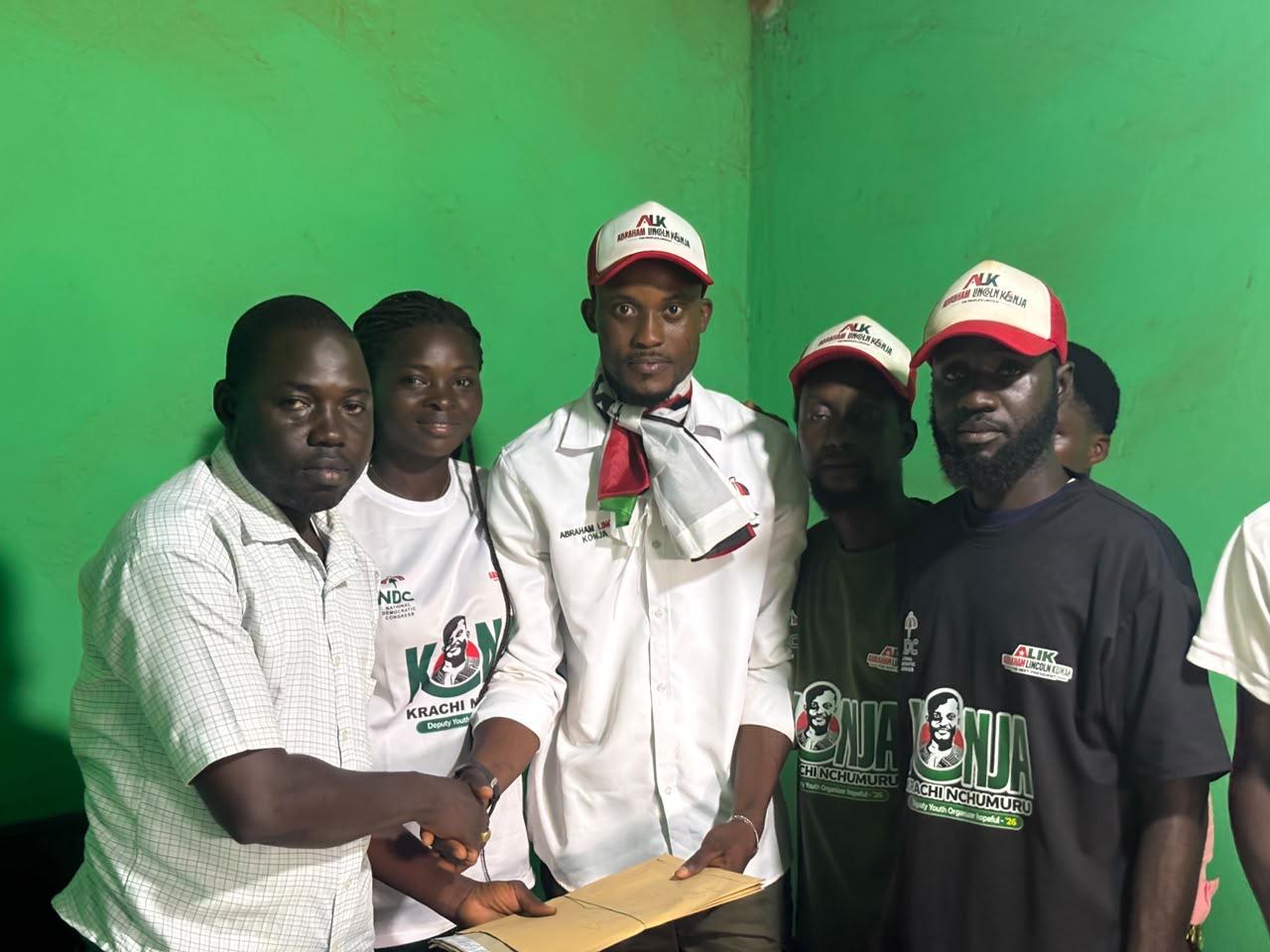
ABRAHAM LINCOLN KONJA FILES FOR NDC DEPUTY YOUTH ORGANISER IN KRACHI NCHUMURU
Abraham Lincoln Konja has officially filed his nomination to contest the position of Deputy Constituency Youth Organiser of the National Democratic Congress...

Fuseini Inusah Akonsi Declares Bid for NDC Northern Regional Deputy Youth Organizer
Fuseini Inusah Akonsi has officially declared his intention to contest for the position of Northern Regional Deputy Youth Organizer of the National Democratic...
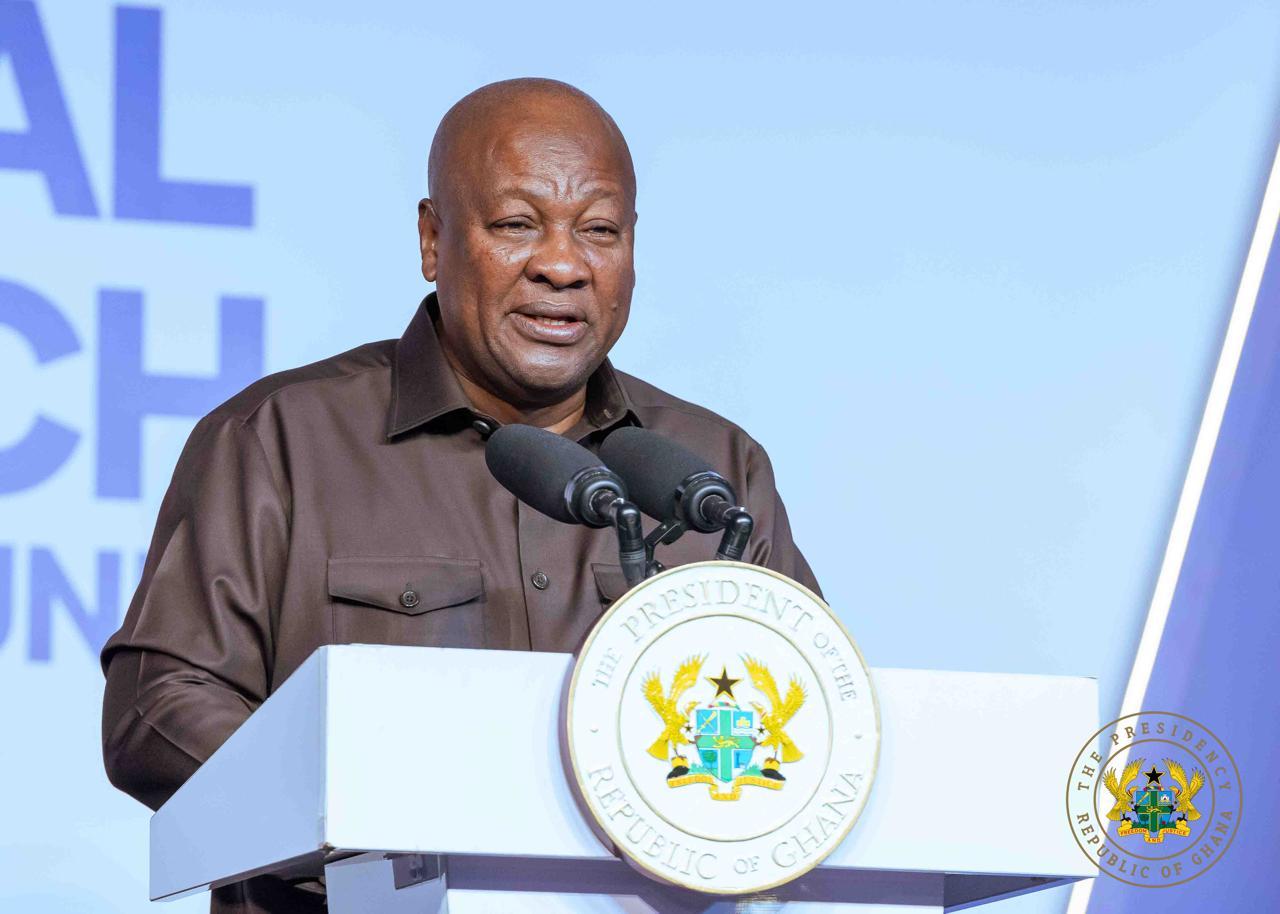
Mahama Orders Immediate Dissolution of Boards of Nine State Institutions
President John Dramani Mahama has directed the immediate dissolution of the governing boards of nine state-owned institutions, affecting organisations...
Comments (0)
No comments yet. Be the first to share your thoughts.