Local Refineries Could Meet Half of Ghana’s Fuel Demand, CBOD Says
Liwalmor M-Moadan
Journalist
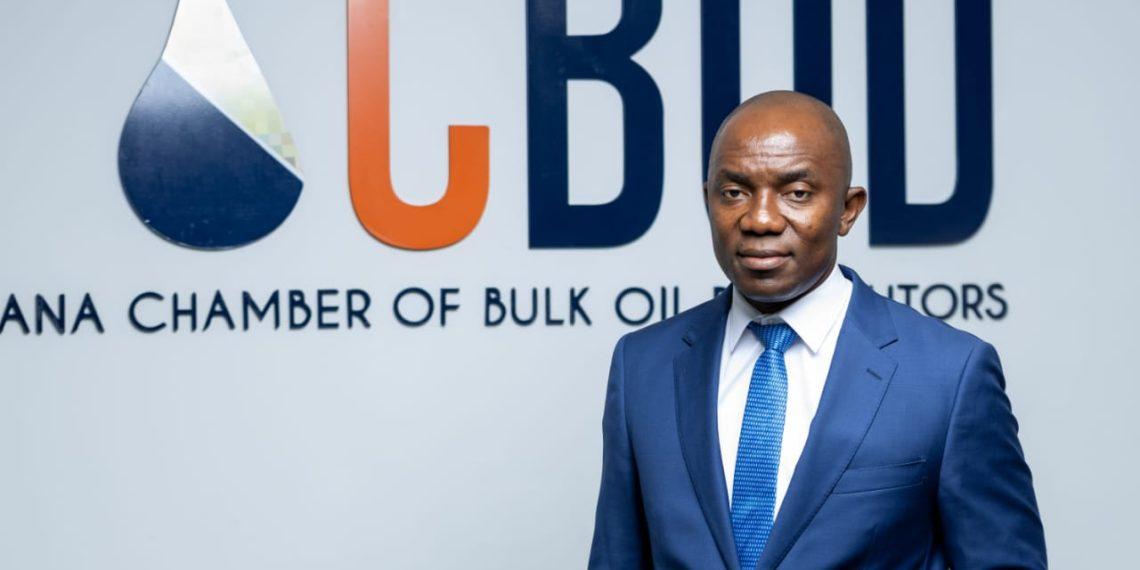
Ghana could produce up to half of its domestic fuel requirements locally if the Tema Oil Refinery (TOR) and Sentuo Oil Refinery operate at full capacity, according to the Chamber of Bulk Oil Distributors (CBOD), in a projection that highlights the strategic role of domestic refining in reducing import dependence and strengthening energy security.
Patrick Kwaku Ofori, chief executive of the CBOD, said the combined output of the two refineries would significantly reduce Ghana’s reliance on imported petroleum products, lowering the economy’s exposure to volatile international fuel markets while improving supply resilience.
“If the two are able to operationalise to their full capacity, we are looking at 50 per cent of our domestic consumption being produced locally,” Mr Ofori said in an interview on Citi FM’s Breakfast Show on Monday.
The projection comes as the government pushes to revive the long-idled Tema Oil Refinery while encouraging private investment in refining capacity following the emergence of Sentuo Oil Refinery as a key player in Ghana’s downstream petroleum sector.
Mr Ofori cautioned, however, that expanding domestic refining capacity should not result in excessive dependence on a single production source. He argued that maintaining multiple supply channels would help shield the country from operational disruptions and reduce the need for emergency fuel imports, which typically come at higher costs and feed into pump price increases.
He also called for a policy framework that promotes fair competition across the downstream petroleum industry, saying a stable and competitive market would encourage fresh investment, protect jobs and support the sector’s long-term development.
For Ghana, increasing local refining capacity carries broader macroeconomic implications. Higher domestic production could lower foreign exchange demand for fuel imports, improve supply security and retain more value within the local economy, while complementing wider efforts to build a more resilient and self-sufficient energy sector.
Written by
Liwalmor M-Moadan
M-Moadan is dedicated journalist committed to delivering accurate, timely, and impactful news. Passionate about uncovering the facts, telling meaningful stories, and keeping the public informed with integrity and professionalism.
Related Stories

Hamdaway Explained How You Can Invest

Saving Is the Slowest Way to Go Broke
Everyone tells you to save. Nobody tells you what saving actually costs. Put $10,000 in a savings account earning 1% a year. In ten years, you'll have roughly...
PETROSOL Offer up TO 17% to raise money through Corporate Bonds
PETROSOL Raises GH¢100 Million in Maiden Corporate Bond as Investors Show Strong Confidence PETROSOL Platinum Energy PLC has made a major entry into Ghana’s...
Comments (0)
No comments yet. Be the first to share your thoughts.