FIFA’s $4.2bn World Cup Plan Triggers Global Governance Battle Over Football’s Future
Liwalmor M-Moadan
Journalist
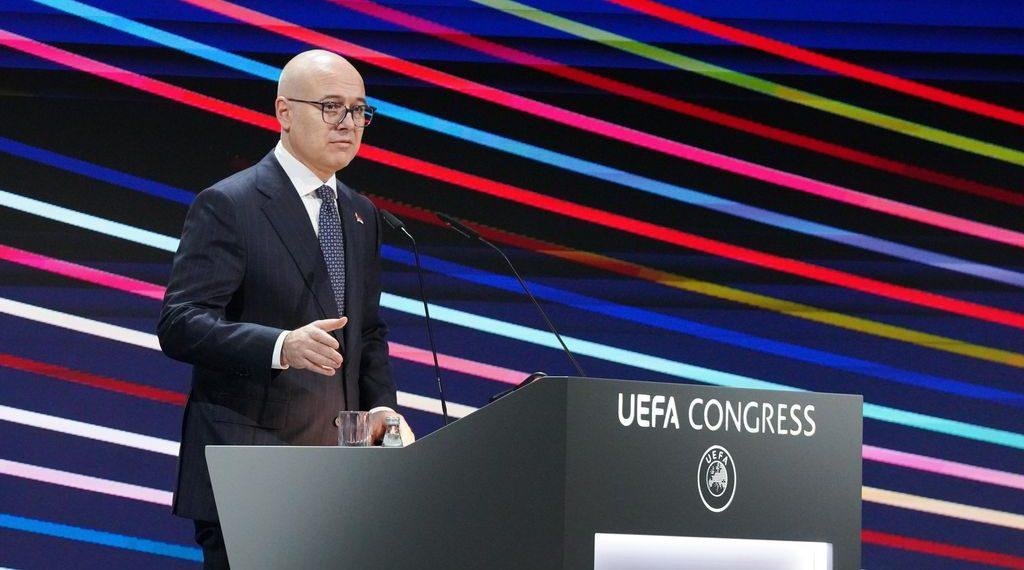
FIFA’s proposal to open the commercial rights of the World Cup to private investors has evolved from a financing initiative into one of the most consequential governance disputes in modern sport, exposing deep divisions over how far football’s governing body should go in pursuing commercial growth.
At the centre of the controversy is FIFA’s plan to establish a new commercial subsidiary, FIFA Forward Enterprise (FFE), which would assume responsibility for the commercial operations of the FIFA World Cup, the Club World Cup and other FIFA competitions. The governing body intends to sell roughly a 20 per cent stake in the new entity to private investors in a transaction expected to raise about US$4.2 billion, while retaining full authority over football governance, tournament regulations and competition formats.
FIFA argues the restructuring would unlock new sources of capital to expand investment in football development worldwide. Under the proposal, revenues generated through the new commercial model would complement the existing FIFA Forward programme and help increase funding available to the organisation’s 211 member associations, supporting infrastructure, youth academies, coaching, women’s football and grassroots development.
The proposal comes as football continues to generate record commercial returns. The expanded 2026 FIFA World Cup delivered unprecedented broadcasting audiences, sponsorship income and matchday revenues, reinforcing the tournament’s position as the world’s most valuable sporting property. FIFA believes creating a dedicated commercial vehicle would further enhance the long-term value of its global media, sponsorship and licensing rights.
The initiative has nevertheless encountered growing resistance from several of football’s most influential stakeholders, who argue that a project with far-reaching implications for the sport requires broader consultation and greater transparency before any decision is taken.
Critics question whether introducing private capital into the commercial structure of the World Cup could gradually increase pressure to prioritise revenue growth over the long-term interests of the game, even if investors hold no formal influence over sporting governance.
Governance experts also point to broader questions surrounding investor expectations. While FIFA insists that investors would acquire a stake only in the commercial subsidiary rather than the World Cup itself, analysts note that long-term financial returns would ultimately depend on continued expansion in commercial revenues, potentially placing greater emphasis on tournament growth, media rights and sponsorship opportunities.
The debate reflects a wider trend across global sport, where private equity and institutional investors have increased their exposure to football leagues, clubs and commercial rights in search of stable long-term returns. Unlike domestic competitions, however, FIFA occupies a unique position as the global custodian of the sport, with responsibility extending beyond commercial performance to preserving the integrity and accessibility of international football.
The outcome of the proposal could shape not only FIFA’s future financial model but also the governance framework of the world’s biggest sporting event for decades to come.
As member associations prepare to consider the proposal, the central question extends beyond the US$4.2 billion investment itself: whether football’s commercial future can be expanded without fundamentally altering the principles that have long defined the FIFA World Cup.
Written by
Liwalmor M-Moadan
M-Moadan is dedicated journalist committed to delivering accurate, timely, and impactful news. Passionate about uncovering the facts, telling meaningful stories, and keeping the public informed with integrity and professionalism.
Related Stories
Ghana Premier League Champions Since 2000: A Look at the Clubs That Have Ruled Ghanaian Football
The Ghana Premier League has produced some of the most memorable champions in the history of Ghanaian football, with several clubs leaving their mark on the...
Ronaldo Signals Final Season as 1,000-Goal Chase Frames Last Chapter of a Global Football Career
Cristiano Ronaldo has offered his clearest indication yet that the 2026/27 season could be his last in professional football, setting the stage for the closing...
US$50,000 Black Queens Per Diem Row Exposes Fault Lines in Ghana’s Sports Financing System
Ghana’s Ministry of Sports and Recreation has pushed back against claims of unpaid allowances to the Black Queens, producing payment records that it says show...
Comments (0)
No comments yet. Be the first to share your thoughts.