World Cup Faces Unprecedented Rift as UEFA Threatens FIFA Boycott Over Private Investment Plan
Liwalmor M-Moadan
Journalist
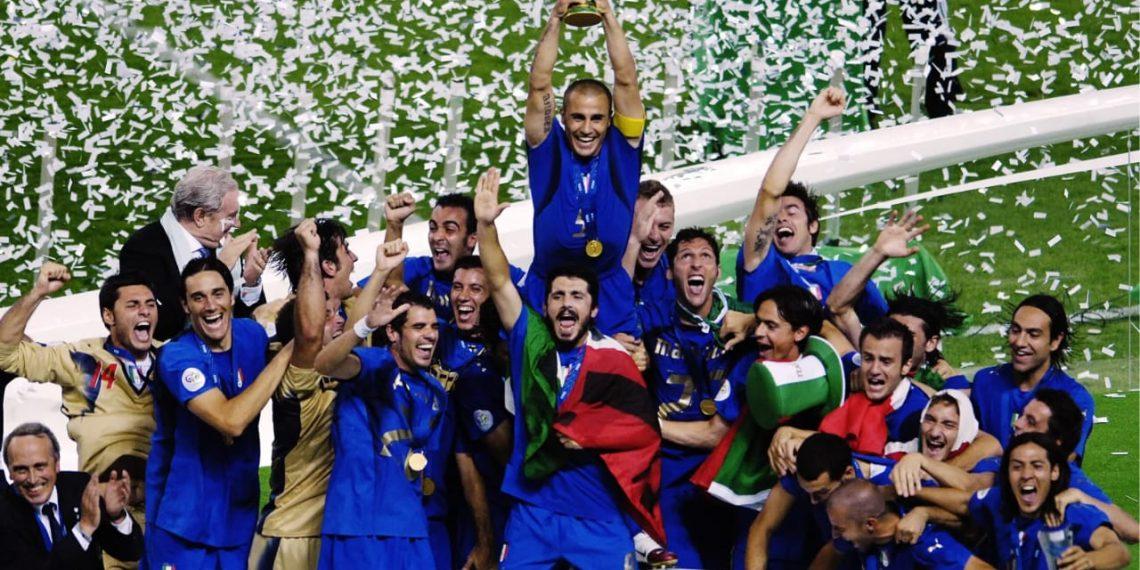
European football has mounted its strongest challenge yet to FIFA President Gianni Infantino after UEFA and all 55 of its member associations unanimously agreed to boycott FIFA competitions if the governing body proceeds with plans to introduce private investment into the commercial operations of the World Cup.
The extraordinary move threatens to fracture world football and casts uncertainty over future editions of the FIFA World Cup, Women’s World Cup and other global tournaments.
At the centre of the dispute is FIFA’s proposal to create FIFA Forward Enterprise (FFE), a new subsidiary that would consolidate the commercial rights and operations of FIFA competitions. Under the plan, FIFA would retain full control of football governance while selling a minority, non-controlling stake—valued at roughly 20%—to long-term private investors in a transaction expected to raise up to US$4.2 billion. FIFA says the funds would significantly expand investment in grassroots football, infrastructure, women’s football and youth development across its 211 member associations.
UEFA, however, argues that the proposal crosses a fundamental line by exposing football’s premier competitions to private financial interests.
Following an emergency meeting, the European confederation declared that the World Cup “is not for sale,” insisting that the tournament represents a global sporting heritage that should never become an investment vehicle. European officials also criticised FIFA for advancing the proposal without adequate consultation with continental confederations and national associations.
The concerns extend beyond ownership itself. UEFA fears that once investors commit billions of dollars, commercial pressures could eventually shape decisions on tournament formats, scheduling, broadcasting rights and the international football calendar, even if FIFA formally retains regulatory authority.
FIFA has rejected those concerns, maintaining that governance, competition rules and sporting decisions would remain exclusively under its control. The organisation argues that FFE is designed solely to unlock greater commercial value and channel more resources into football development worldwide.
The standoff is also spreading beyond Europe. Concacaf and the Asian Football Confederation have publicly questioned both the consultation process and the proposal’s implications, while other continental bodies are expected to deliberate on the initiative in the coming weeks.
The proposal still requires approval from FIFA’s member associations and the FIFA Council before implementation. But UEFA’s threat substantially raises the stakes.
A European boycott would strip FIFA tournaments of many of the world’s strongest national teams and players, fundamentally undermining the sporting credibility and commercial appeal of the competitions.
The dispute now represents more than a disagreement over financing. It has evolved into a broader battle over who should shape the future of world football—an institution seeking new commercial capital to accelerate global development, or a confederation determined to preserve the traditional governance and identity of the sport.
Written by
Liwalmor M-Moadan
M-Moadan is dedicated journalist committed to delivering accurate, timely, and impactful news. Passionate about uncovering the facts, telling meaningful stories, and keeping the public informed with integrity and professionalism.
Related Stories
Ghana Premier League Champions Since 2000: A Look at the Clubs That Have Ruled Ghanaian Football
The Ghana Premier League has produced some of the most memorable champions in the history of Ghanaian football, with several clubs leaving their mark on the...
Ronaldo Signals Final Season as 1,000-Goal Chase Frames Last Chapter of a Global Football Career
Cristiano Ronaldo has offered his clearest indication yet that the 2026/27 season could be his last in professional football, setting the stage for the closing...
US$50,000 Black Queens Per Diem Row Exposes Fault Lines in Ghana’s Sports Financing System
Ghana’s Ministry of Sports and Recreation has pushed back against claims of unpaid allowances to the Black Queens, producing payment records that it says show...
Comments (0)
No comments yet. Be the first to share your thoughts.