"Police Must Act Against Criminality in Party Elections" – Asiedu Nketia
Sarah
Senior Reporter
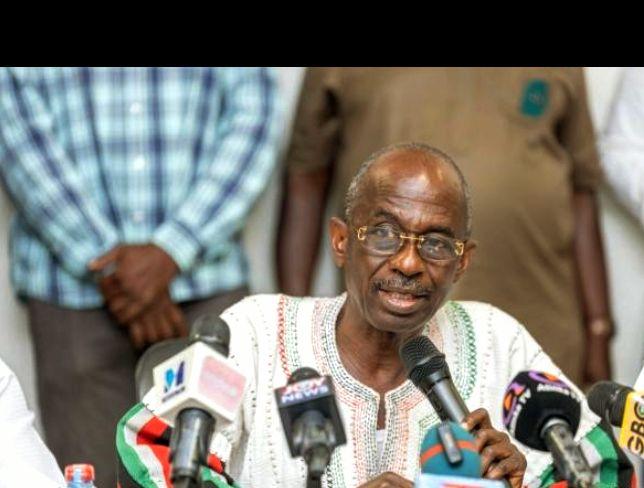
National Chairman of the National Democratic Congress (NDC), Mr Johnson Asiedu Nketia, has called on the Ghana Police Service and other security agencies to intervene in cases of suspected criminal conduct during internal political party elections, warning that party regulations must not become a shield against the country's laws. His appeal comes at a time when political parties continue to face concerns about the influence of money and material inducements in contests where delegates are expected to choose leaders based on their competence, commitment and ability to serve.
Mr Asiedu Nketia made the call in an interview with JoyNews on Friday, November 13, ahead of the NDC's regional executive elections being held across the country on November 14 and 15.
He acknowledged that offering support to fellow party members was not necessarily wrong but drew a distinction between ordinary gestures of goodwill and deliberate attempts to influence electoral decisions through money and gifts.
"It is not a bad thing if anybody wants to give party people something. But if it happens in a way around elections to suggest that we are just buying positions, then it is not acceptable at all in a democracy," he said.
For Mr Asiedu Nketia, the concern goes beyond the immediate contest for party positions. He believes that allowing money to determine who occupies leadership positions could weaken the values expected of political organisations and create opportunities for individuals whose interests may not be centred on public service.
Mr. Nketia was particularly concerned about the tendency to treat allegations of vote-buying as internal party disputes when the conduct involved may also violate national laws. He argued that political parties have their own disciplinary procedures, but those procedures should not prevent the police from investigating suspected criminal offences.
"Once you are citizens and we are all subject to the laws of this country, when you want to subordinate the national laws to party laws, that's not correct. Then you are part of the problem," he stated.
He further urged security agencies to act independently whenever they encountered evidence of criminal conduct, irrespective of the political organisation involved.
"The security services should be bold to proceed with whatever measures they want to do the same way as they deal with crime anywhere else," he added.
Mr Asiedu Nketia also cautioned against an approach in which law enforcement officers wait for party chairmen or executives to take disciplinary action before responding to suspected offences. He maintained that criminal conduct should not be treated differently because it occurs within the NDC, the New Patriotic Party (NPP) or any other political organisation.
The debate over financial inducements in internal elections gained renewed attention following allegations that television sets were distributed to delegates during the NDC parliamentary primary in Ayawaso East in February 2026. The controversy prompted an investigation by the Office of the Special Prosecutor.
The issue has also drawn attention to the limitations of Ghana's existing electoral laws. Section 33 of the Representation of the People Law, 1992 (PNDCL 284), addresses bribery intended to influence voters in public elections, although the legislation does not expressly extend the same electoral offences to internal political party contests.
As the NDC continues its internal reorganisation, Mr Asiedu Nketia's comments place responsibility for protecting the credibility of party elections beyond party executives alone. The message is that political competition should not become an opportunity for people to purchase leadership positions, while allegations of criminal conduct are settled only through internal party procedures.
For delegates who participate in these contests, the integrity of the process ultimately determines whether the leaders they elect command confidence because of their ability to serve or because of the resources they can distribute.
Written by
Sarah
Serah is a committed reporter who is keen on accurate delivering, timely, and impactful news. Passionate about uncovering the facts, telling meaningful stories, and keeping the public informed with integrity and professionalism.
Related Stories
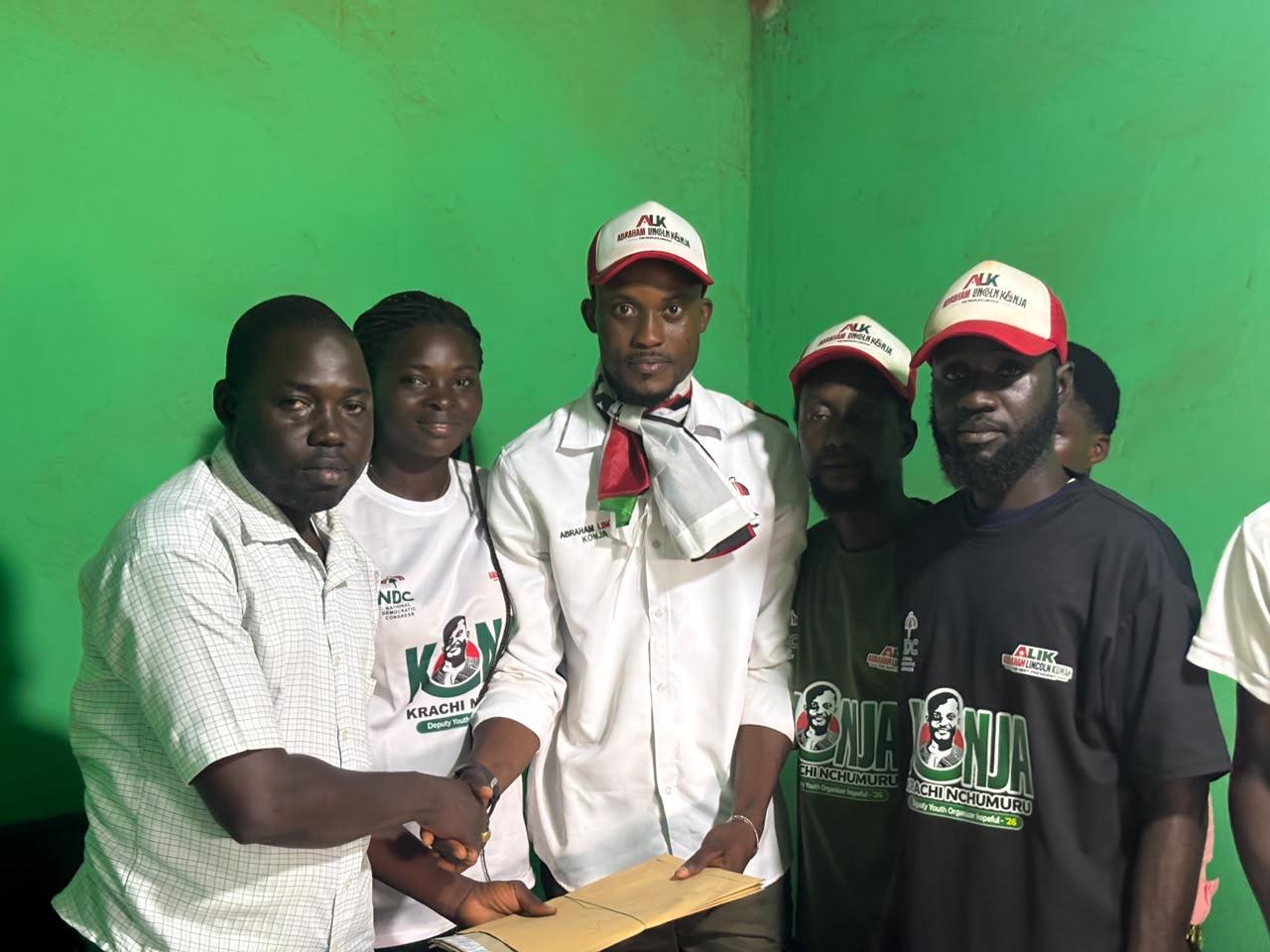
ABRAHAM LINCOLN KONJA FILES FOR NDC DEPUTY YOUTH ORGANISER IN KRACHI NCHUMURU
Abraham Lincoln Konja has officially filed his nomination to contest the position of Deputy Constituency Youth Organiser of the National Democratic Congress...

Fuseini Inusah Akonsi Declares Bid for NDC Northern Regional Deputy Youth Organizer
Fuseini Inusah Akonsi has officially declared his intention to contest for the position of Northern Regional Deputy Youth Organizer of the National Democratic...
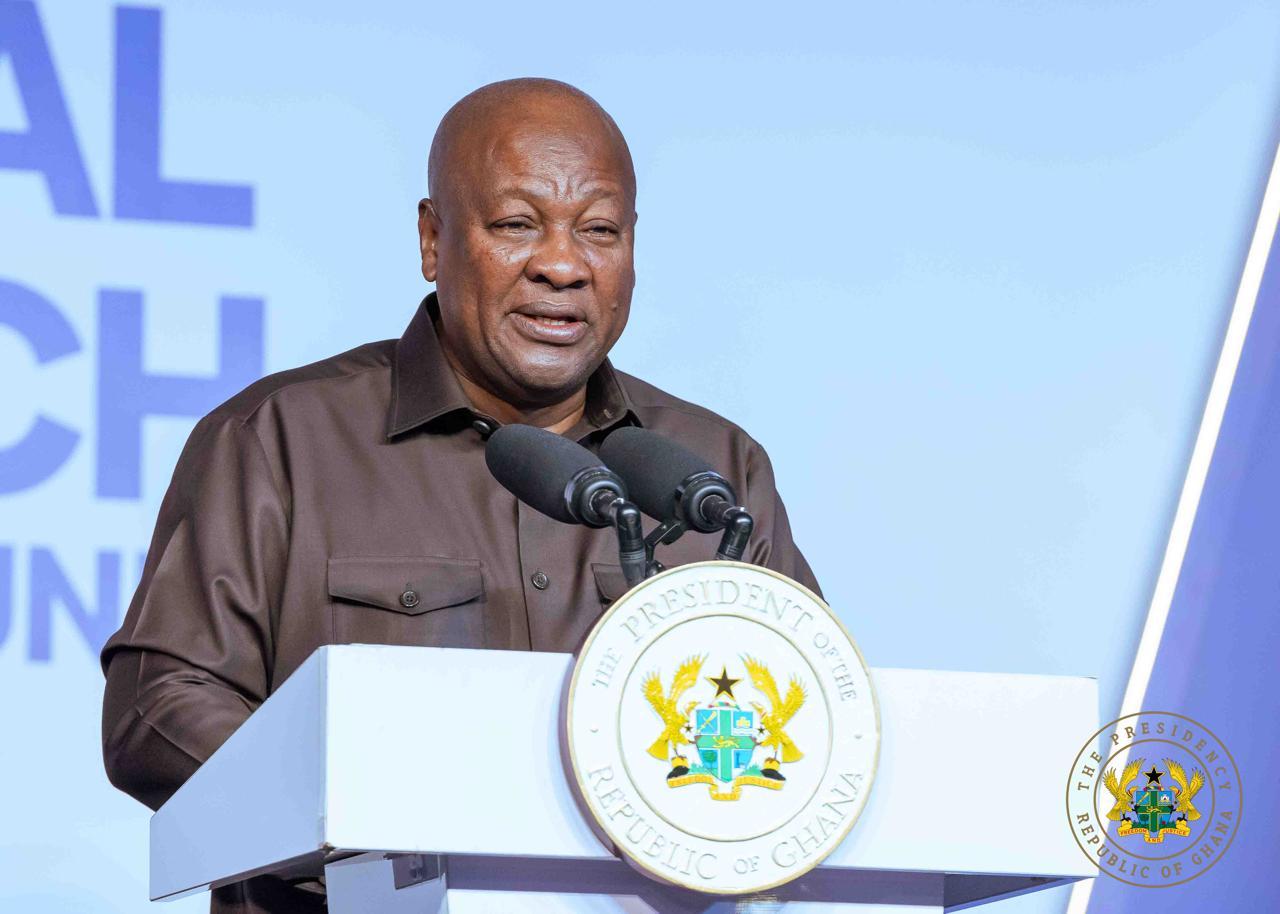
Mahama Orders Immediate Dissolution of Boards of Nine State Institutions
President John Dramani Mahama has directed the immediate dissolution of the governing boards of nine state-owned institutions, affecting organisations...
Comments (0)
No comments yet. Be the first to share your thoughts.